

Reviewed · BUDAPEST WALKING TOURS
Budapest 3-Hour Walking Tour in Italian
Budapest’s best introduction is a walk that links two very different sides of the Danube. This three-hour tour takes you from central Pest to the Buda Castle area, with major landmarks and a guide who explains Hungary’s past in Italian.
I like two things here: you get both St. Stephen’s Basilica and the Castle Quarter in one outing, and the history runs from Hungary’s early beginnings through its recent democratic changes. Guides including Caterina, Katalin and Elisabetta have led the tour, though your guide may be someone else.
The main consideration is pace. Three hours covers a lot of ground, and the public transport tickets for the river crossing cost extra. If you want to linger at every stop or explore interiors at length, this is better treated as an introduction than a full visit.
Key points before you book
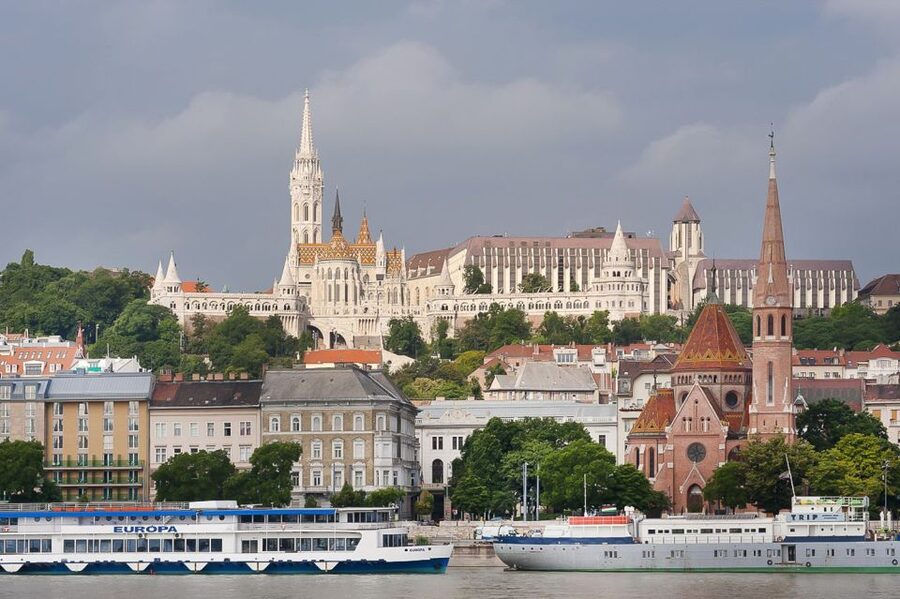
- Two sides of the city: The route links the center of Pest with the Buda Castle area, using public transport to cross the Danube.
- Italian throughout: The guide speaks Italian and can answer questions along the way.
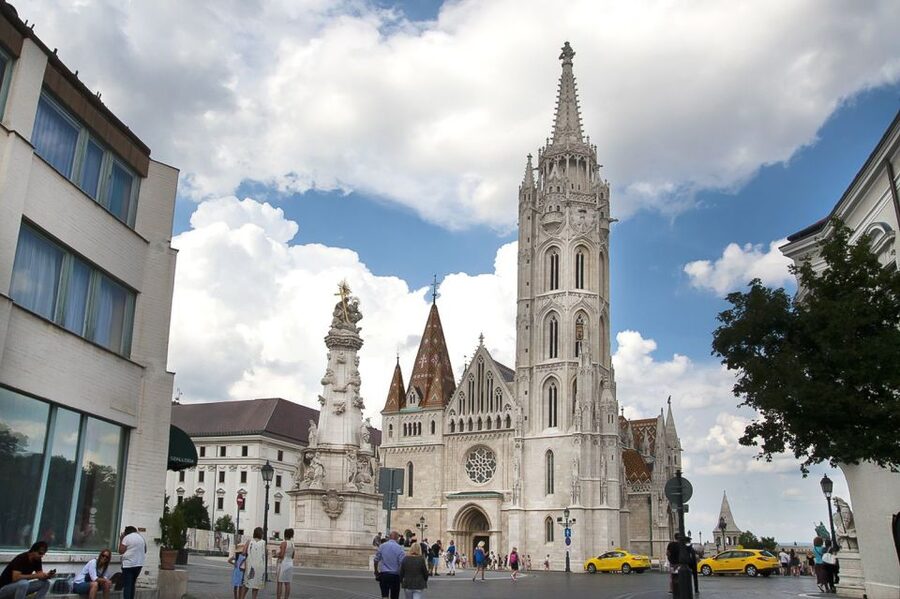
- Big landmarks in one short walk: Expect St. Stephen’s Basilica, the Royal Palace, the President’s Palace, Matthias Church and Fishermen’s Bastion.
- History with a long view: The tour covers roughly 1,100 years, from the country’s conquest to recent democratic changes.
- Budget for transport: Four metro and bus tickets per person are not included and cost 1,400 HUF.
- Dress for walking: Bring comfortable shoes. Shorts and sleeveless shirts are not allowed.
Starting near St. Stephen’s Basilica
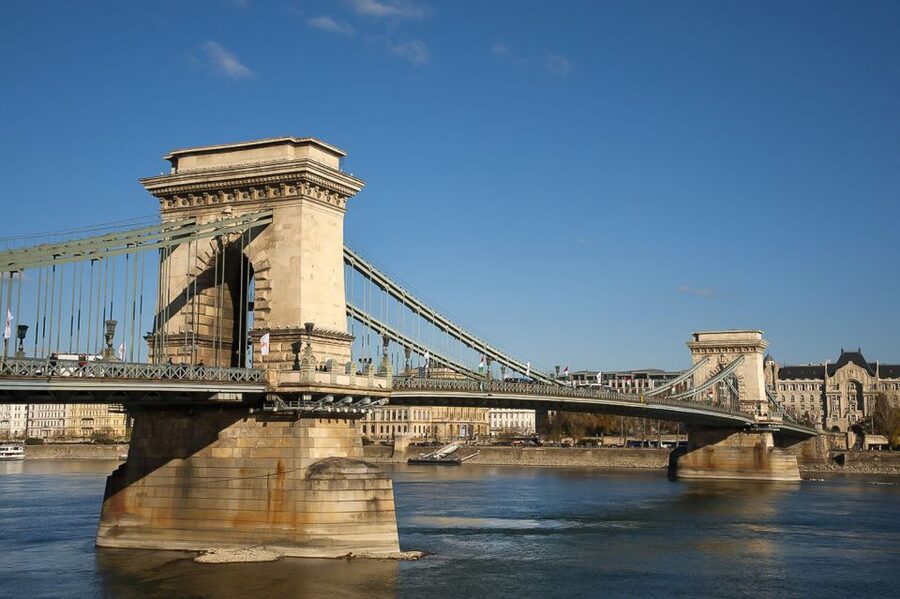
The meeting point is beside St. Stephen’s Basilica, in front of California Coffee Company. It is a useful place to begin: the basilica is one of the tour’s headline sights, and the central Pest setting gives you an immediate sense of the city’s grand scale.
The basilica is a good first stop for more than its striking appearance. It gives your guide a natural way to introduce Budapest’s religious and national history before moving into the broader story of Hungary. You’ll see the building from the outside as part of the walk; the tour details do not promise entry.
Starting in Pest also makes the contrast with Buda part of the experience. Budapest is not one uniform historic center. The tour takes you from the central streets on one riverbank to the castle district on the other, so you can compare the city’s two sides rather than focusing on a single neighborhood.
Arrive ready to walk, not just to stand and listen. The tour lasts three hours, and comfortable shoes are specifically recommended. The route includes public transport as well as walking, so keep the ticket cost in mind when working out your day’s budget.
More walking tours in Budapest:
- Budapest: Buda Castle Walk with Saint Stephen’s Hall
★ 4.5 · 3,012 reviews - Big Bus Budapest Hop-On Hop-Off Bus and Walking Tour
★ 3.5 · 2,206 reviews - Budapest: Buda Castle District Walking Tour
★ 4.6 · 2,108 reviews
Getting a feel for Pest before crossing the river
The Pest portion focuses on the city center and its major landmarks. St. Stephen’s Basilica is the clearest anchor, while the broader walk helps put the capital’s grand buildings and central setting into context.
The guide’s role matters here. A view can be memorable on its own, but a live Italian explanation can help connect the architecture to the political and cultural story unfolding around it. You can ask questions as you go, which is more useful than trying to absorb a long list of dates from a guidebook.
The tour also includes the Royal Palace and the President’s Palace. These sights help frame Hungary’s changing systems of power, especially when your guide connects the country’s long history with its more recent democratic changes. The details you hear will depend on the guide and the group’s questions, but the broad span of the story is part of the tour’s purpose.
This is a highlights walk, not an in-depth examination of every building. If you want to spend substantial time inside a landmark or study its details at your own pace, plan a separate visit. The value here is the combination of places and explanations in a compact time.
Crossing the Danube by public transport
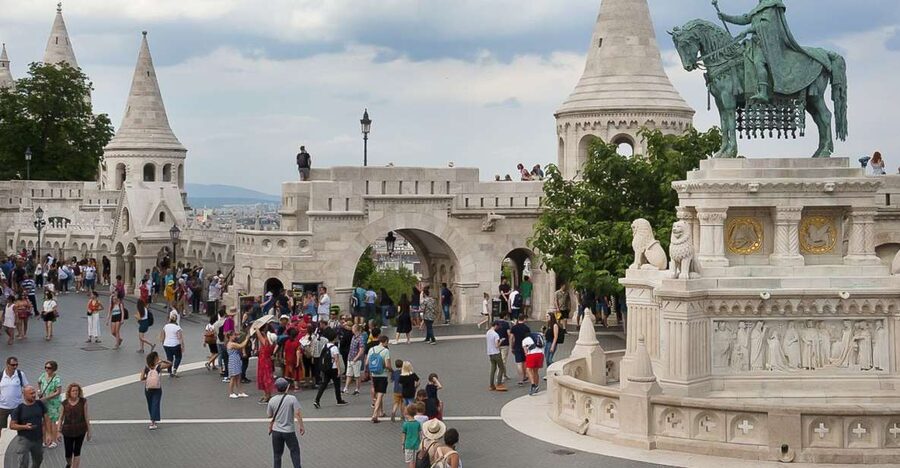
You cross from Pest to Buda using public transport, with metro and bus tickets required. The tour price does not cover them: allow for four tickets per person, costing 1,400 HUF.
That small extra cost is worth remembering because it changes the real price from the advertised $41 per person. It is still a modest add-on for a guided route that links both sides of the city, but you should include it when comparing tours or planning a family budget.
The crossing is also part of the day’s rhythm. Rather than spending the whole tour in one district, you move between two distinct areas and see how the city’s landmarks relate to the Danube. The trip is not described as a boat ride, so don’t book expecting a river cruise.
Public transport makes it possible to cover ground within the three-hour limit, but it also means your group needs to stay together and follow the guide’s lead. If you prefer an entirely pedestrian route, this is not that. The transit leg is a practical trade-off for seeing Pest and Buda in one outing.
Exploring the Buda Castle Quarter
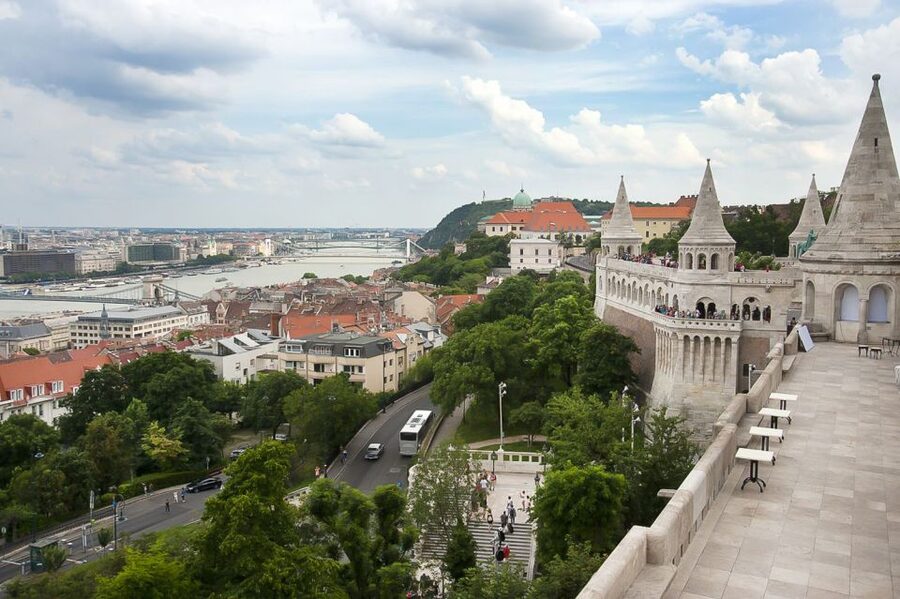
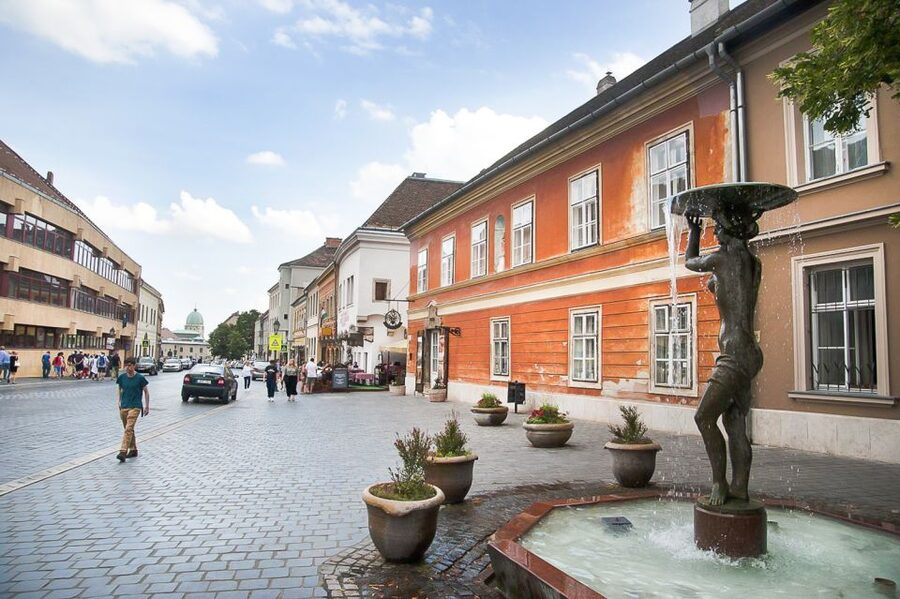
On the Buda side, the route turns to the fortified Buda Castle area and its historic quarter. This is one of the tour’s strongest contrasts: you leave the central Pest setting and enter a district shaped around a castle and major landmarks.
The Royal Palace and the President’s Palace add further context to the area’s political importance. Your guide can tie these buildings to the larger account of Hungary’s past, rather than leaving you to guess what each façade represents. With only three hours, expect concise explanations and an overview, not a detailed tour of every room or institution.
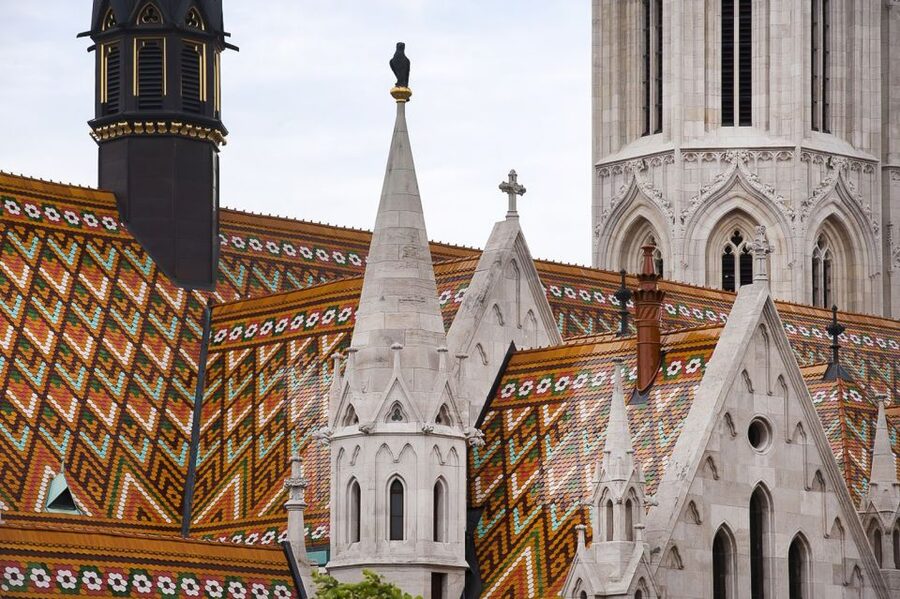
Matthias Church is a major draw. Its Gothic architecture gives you a clear visual change from the earlier Pest stops, and the church is one of the most distinctive landmarks named on the route. The tour is a good fit if you want to understand why the Castle Quarter matters as a whole, not just collect photographs of individual buildings.
The schedule may not allow you to linger. That is the usual compromise of a city overview: the guide keeps the route moving so you can see several important sites in one visit. If Matthias Church is a particular priority, check whether you will have time to explore it beyond the guided stop.
A few more Budapest tours worth booking
- 3-Hour Orientation Walking Tour of Buda and Pest
★ 4.8 · 1,834 reviews - Budapest: 3-Hour Grand City Tour and Castle Walk
★ 4.3 · 1,437 reviews - Budapest: 3-Hour Live Guided Sightseeing Tour
★ 4.4 · 1,041 reviews - 3 Hours Budapest Segway Grand City Tour Buda, Margaret and Pest
★ 5.0 · 255 reviews
Fishermen’s Bastion and the city views
Fishermen’s Bastion is another featured stop, and the route promises some of Budapest’s most beautiful views. It offers a natural pause in the historic district, when the city’s layout becomes easier to appreciate from above.
The view is not just a pleasant extra. After walking through central Pest and crossing the river, looking out over the city helps tie the two sides together. It is a useful moment to orient yourself and decide which places you might want to revisit independently.
Still, this is a guided walk, not a dedicated viewpoint session. The amount of time available at Fishermen’s Bastion can vary with the group’s pace and questions, and the tour description does not specify a fixed length of stop. If you want an unhurried visit, leave room in your own schedule to return.
A thousand years of Hungarian history in three hours
The tour’s historical scope is broad: it covers about 1,100 years, from the conquest of the country to recent democratic changes. That sweep gives you a framework for understanding the landmarks, even if you will not get a full lecture on every period.
For a first visit, I value that kind of overview. Hungary’s past can feel like a series of unfamiliar names and turning points; a guide who connects the story to the places in front of you can make it easier to follow. The Italian-speaking format is especially useful if you are more comfortable discussing complex history in Italian than reading about it on your own.
The experience also depends on your guide. Recent guide names include Caterina, Katalin and Elisabetta. The descriptions associated with them point to a warm, detailed style, with particularly strong praise for clear explanations, friendliness and excellent Italian. No specific guide is guaranteed, but those qualities are worth looking for in a tour built around conversation and historical context.
You can ask questions as you walk, which gives the tour more flexibility than a fixed audio guide. If you have a particular interest, such as Hungary’s transition to democracy or the role of the Castle Quarter, raise it early. Three hours passes quickly when the route covers several major sites.
Is $41 good value?
At $41 per person, the tour’s value rests on three things: a live Italian-speaking guide, a route that covers both Pest and Buda, and a compact overview of major landmarks and Hungarian history. The transport tickets add 1,400 HUF per person, so the full cost is a little higher than the headline price.
For a short stay, the efficiency is the main selling point. You can get an overview of the basilica, palace area, Castle Quarter, Matthias Church and Fishermen’s Bastion without planning a cross-city route yourself. A private or small-group option is available, which may suit you if you want more room for questions or a less crowded feel, though the exact group size and price are not specified.
The tour is less compelling if you already know the city well or want to spend half a day inside museums and churches. It is designed as a walking introduction, not an exhaustive visit. For many first-time visitors, that is a sensible use of three hours; for a slower-paced trip, you may prefer to explore fewer places independently.
Who will enjoy this walk most?
This tour suits Italian-speaking visitors who want a clear first orientation to Budapest, especially if they have only a short stay. It also makes sense if you prefer a guide who can explain the city’s history in person and respond to your questions as they come up.
The tour is described as suitable for all ages and types of visitors. Still, it involves three hours of walking, so comfortable shoes are essential. If you or someone in your group has specific mobility needs, the available information does not describe the route’s accessibility, so ask the provider before booking.
Dress rules are worth noting: shorts and sleeveless shirts are not allowed. Since the route includes a basilica and historic landmarks, choose clothing that meets those restrictions. A light, practical outfit and comfortable walking shoes are a safer bet than dressing only for a café stop.
The option to book a private or small group can be appealing for couples, families or anyone who prefers a more personal pace. The private version may be particularly useful if you want to ask more questions, though the exact format should be confirmed when you book.
Should you book the Budapest Italian walking tour?
Book it if you want to see both sides of Budapest in three hours, prefer explanations in Italian, and value a guide’s overview more than a long, independent visit at each landmark. The combination of the basilica, Castle Quarter, Matthias Church and Fishermen’s Bastion makes it a practical first walk.
Skip it if you want an entirely walking-only route, plan to explore interiors at length, or would rather set your own pace. Remember to add the 1,400 HUF transport cost and follow the dress rules.
For a short Budapest stay, I’d consider the private or small-group option if available within your budget. The route covers a lot, and the chance to ask questions can make the difference between simply seeing the sights and understanding how they fit into Hungary’s story.
FAQ
How long is the tour?
The walking tour lasts three hours.
What language is the tour in?
The live guide speaks Italian.
Where is the meeting point?
Meet next to St. Stephen’s Basilica, in front of California Coffee Company.
Which sights are included?
The route includes St. Stephen’s Basilica, the Royal Palace, the President’s Palace, the Castle Quarter, Matthias Church and Fishermen’s Bastion.
Are public transport tickets included?
No. You need four metro and bus tickets per person, costing 1,400 HUF.
What should I wear or bring?
Bring comfortable shoes. Shorts and sleeveless shirts are not allowed.
Is a private or small-group tour available?
Yes. Private or small-group options are available.
Fresh additions in Budapest
- Best of Budapest Tour★ 5.0 · 7 reviews
- Be a movie star! Film Tour, Escape room, in Budapest and Etyek★ 5.0 · 3 reviews
- Shooting package 70★ 5.0 · 14 reviews
- Best Historical Sights of Budapest Tour★ 5.0 · 7 reviews
- Capital Budapest – Half Day Private Tour (4hr)★ 5.0 · 7 reviews
- BUSÓJÁRÁS Unesco Heritage Folklore Carnival in Mohács★ 5.0 · 4 reviews
- Budapest 4 Hour Tour with a Local: Private & Custom, See the City Unscripted★ 4.0 · 7 reviews
- Analog Photo Trip★ 5.0 · 5 reviews
Budapest Walking Tours, compared.


Big Bus Budapest Hop-On Hop-Off Bus and Walking Tour
Read our review →
Budapest City Landmarks Walking Tour in 2 Hours
Read our review →
3-Hour Orientation Walking Tour of Buda and Pest
Read our review →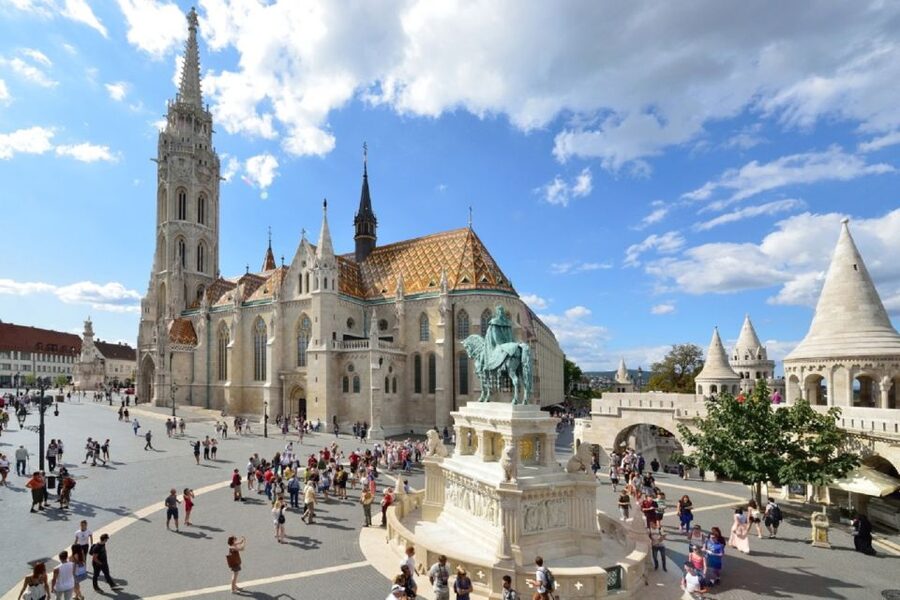

Budapest Historical Sightseeing – Free Walking Tour
Read our review →
Budapest All in One Small Group Walking Tour with Strudel Stop
Read our review →Browse the lists this tour appears in