
Reviewed · BUDAPEST WALKING TOURS
Big Bus Budapest Hop-On Hop-Off Bus and Walking Tour
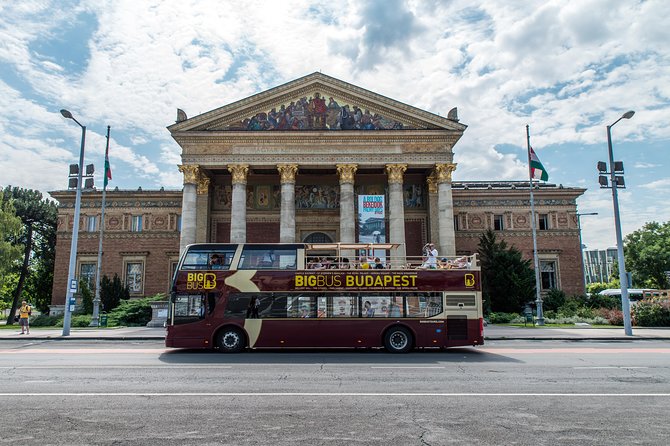
Budapest spreads across both banks of the Danube, and the Big Bus route links many of its headline sights in one easy-to-follow circuit. I like the freedom to hop off at places such as Heroes’ Square or the Castle Hill Funicular, and I like having a walking tour included for a closer look at the city on foot.
The main caution is service consistency. Buses can be crowded or delayed, and audio quality has been uneven. Also, check the cruise terms carefully: the current package specifies a 30% discount, not a free river ride.
- 27 stops connect major landmarks, transport hubs, and central streets.
- Choose a 1-, 2-, or 3-day pass for unlimited hop-on hop-off bus access on consecutive days.
- Audio commentary comes in 16 languages, though sound and timing may vary from bus to bus.
- A one-hour guided walking tour is included, giving you a break from the bus and a chance to explore on foot.
- The Danube cruise is discounted, not included free in the package details provided.
- Allow flexibility in your plans: traffic, bus changes, and hard-to-spot stops can affect your timing.
A practical way to get your Budapest bearings

The Big Bus is best understood as a sightseeing tool first and a transport service second. It gives you an overview of the city, passes a long list of familiar landmarks, and lets you choose which places deserve a longer visit. For a first day in Budapest, that can be useful: ride a stretch of the route, note what catches your eye, then hop off and explore.
The route includes 27 stops, from the Basilica and Chain Bridge to Heroes’ Square, the Parliament, and the Gellért Thermal Bath. A 1-, 2-, or 3-day pass lets you spread those visits over consecutive days. The stated tour duration of about 1 hour 40 minutes is a rough measure of the ride, not the time needed to use the pass fully. Hopping off, waiting for another bus, and exploring the city will take longer.
At $42.13 per person, the ticket may be worthwhile if you expect to use the bus repeatedly and want an easy introduction to several districts. It is less compelling if you plan to use it mainly as a fast way to get from one specific place to another. Budapest’s regular public transport may suit that job better, while the Big Bus earns its keep through sightseeing, commentary, and flexibility.
From the Basilica to the Danube crossing
The listed main redemption point is at Bajcsy-Zsilinszky út 17, with other visitor-center stops near Március 15. tér, Halacska Képkeret és Művészeti Műhely, and József Attila utca. The route then brings you close to St. Stephen’s Basilica, one of the city’s central landmarks and a handy place to begin a walk through Pest.
The next major stop is the Széchenyi Chain Bridge, a classic Danube crossing linking Pest with Buda. The bus gives you a view of the river and the bridge from street level, but the experience is not a substitute for crossing on foot or taking time along the riverbanks. If you want to linger, hop off and set your own pace.
József Attila Street and the stops around Anker Lane put you in the central part of Pest, where the route is useful for connecting sights rather than for any single must-see stop. The synagogue stop is more substantial. Dohány Street Synagogue is a landmark in Budapest’s Jewish Quarter, and the surrounding streets reward a slower visit than a bus timetable allows.
More walking tours in Budapest:
- Budapest: Buda Castle Walk with Saint Stephen’s Hall
★ 4.5 · 3,012 reviews - Budapest: Buda Castle District Walking Tour
★ 4.6 · 2,108 reviews - Budapest City Landmarks Walking Tour in 2 Hours
★ 5.0 · 2,048 reviews
Andrássy Avenue, the Opera, and Heroes’ Square
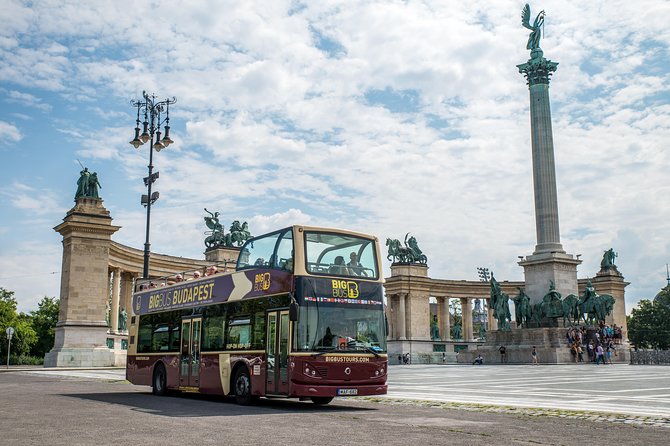
The route follows Andrássy Avenue, a grand city boulevard leading toward the Hungarian State Opera and Liszt Ferenc Square. These stops offer a good look at Budapest’s architectural character. The avenue is a pleasant stretch to walk, and the Opera stop is well placed if you want to explore the area rather than simply spot it through a bus window.
Further along, Heroes’ Square is one of the route’s strongest reasons to get off. Its broad open space and monuments make a striking contrast with the tighter streets of central Pest. The nearby stop is also useful for seeing a different part of the city, though the stop itself does not replace a visit to the square and its surroundings.
The route also serves Keleti Railway Station and Puskás Aréna. These are useful reference points, especially if your plans already take you to that side of town, but they may be less interesting as stand-alone sightseeing stops. New York Café is another named stop. If it is on your list, check how much time you want to spend there before boarding, as a quick stop can turn into a longer pause.
Market streets, baths, and Castle Hill
Váci Street is one of the central stops for shopping and walking through Pest. The bus makes it easy to reach, but this is a lively pedestrian area best explored on foot. Fővám Square and Kálvin Square provide further access to central neighborhoods and the market area. Astoria and the stops around Bajcsy-Zsilinszky Road bring you back toward the city center.
On the Buda side, Gellért Thermal Bath is a major draw. The stop lets you reach one of Budapest’s best-known bathing spots, but plan your visit around the time you want to spend there. A bath visit is not a quick hop-off, and you may prefer to make it a separate part of your day rather than squeeze it between bus departures.
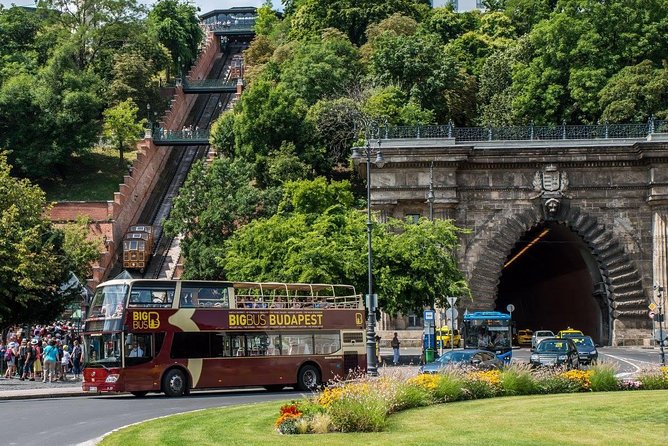
The Castle Garden Bazaar and the Castle Hill Funicular are among the most useful stops for reaching the historic Buda district. The funicular provides a direct route up the hill, while the Castle Garden area gives you another entry point. Castle Hill deserves time on its own, so the bus works best as a link to the area, not as the entire visit.
Batthyány Square is another valuable stop because it lies across the river from the Parliament. The Parliament stop itself offers a close look at one of Budapest’s most recognizable buildings. Margaret Bridge and Nyugati Railway Station extend the route north, allowing you to connect the riverfront and transport points with the main sightseeing circuit.
A second set of central stops, and how to use them
The listed stops also include Petőfi Square, Fővám Square, Kálvin Square, Astoria, Bajcsy-Zsilinszky Road, and Nyugati Railway Station. Together, they make the network more useful for reaching central Pest than a route that only visits headline monuments would be. Still, a stop name does not always make the exact boarding point obvious.
Some bus stops can be hard to spot, and one account describes uncertainty about where to board. Use the Big Bus app’s stop information and live tracking if available to check your position and the next bus. Don’t assume a stop will have a large, unmistakable sign. Give yourself extra time if you are trying to meet a schedule.
The route can also be affected by traffic or a bus change. Some people have needed to transfer mid-ride, and waits have sometimes stretched longer than expected. That makes the bus a poor choice when you have a tight appointment. It is better suited to a flexible day when a delay will not derail your plans.
More Budapest tours in Budapest:
- Budapest: City Highlights Cruise with Welcome Drink
★ 4.6 · 35,610 reviews - Budapest: Unlimited Prosecco, Beer and Aperol Spritz Cruise
★ 4.8 · 25,310 reviews - Budapest: Széchenyi Spa Day Ticket with Optional Upgrades
★ 4.3 · 23,911 reviews - Budapest: Nighttime or Daytime Sightseeing Cruise
★ 4.2 · 21,062 reviews
Commentary, weather, and the ride itself
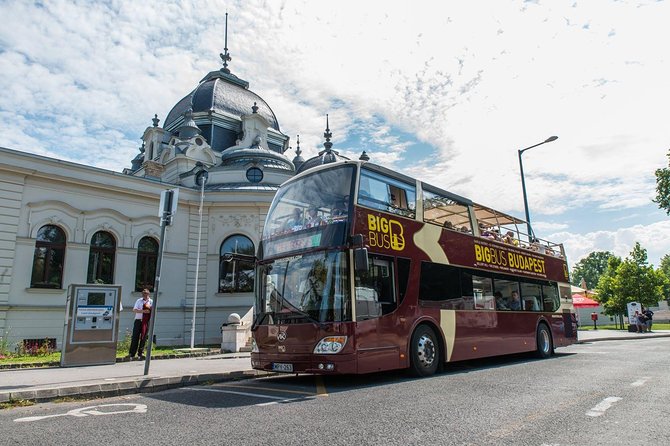
Audio commentary is available in 16 languages, a useful feature if you want context without joining a group tour. It can help you connect the landmarks to Budapest’s past and architecture while you ride. But the quality has not been consistent: reported problems include narration cutting off, falling out of sync with the route, and announcements overlapping the recording.
Choose a working headset or audio point early in the ride, and tell staff if the sound is not clear. If the commentary fails, the bus still gives you a broad visual orientation, but you lose an important part of the experience. The ability to choose from many languages is a genuine plus, though it cannot compensate for faulty equipment.
Weather matters, too. The upper deck can offer open-air views, but some buses have open sides or wet seats in rain and cold. In winter, that can make an exposed upper seat uncomfortable. Several accounts also describe low roof clearance upstairs, so watch your head when moving around. If the weather turns, the lower deck is the sensible choice.
Crowding and comfort vary by bus. Some rides have been described as comfortable, while others felt cramped, and a full upper deck can block your view. If your main goal is clean, reliable transport rather than sightseeing, the city’s public transport may be a more predictable option.
The walking tour and Danube cruise details
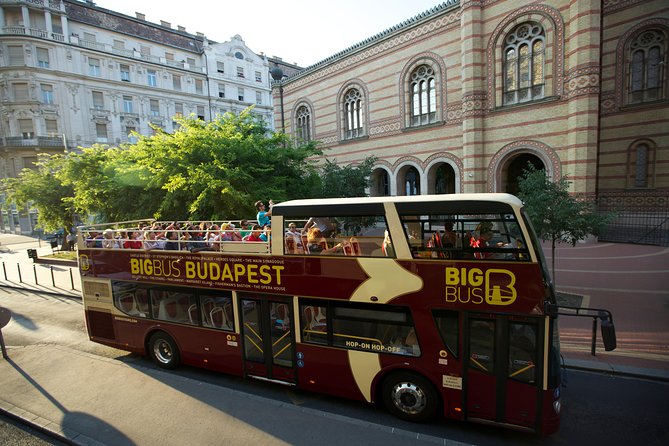
The one-hour guided walking tour adds a welcome change of pace. It gives you time to see part of Budapest at street level, where the bus can only offer a passing view. The supplied details do not name the guide or specify the walk’s route, so check the day’s arrangements before building your schedule around a particular neighborhood.
Pay close attention to the Danube cruise wording. The package details specify 30% off a river cruise. Some older descriptions and past experiences refer to a cruise included with the bus ticket, but the terms provided here do not promise a free ride. Confirm what is included for your travel date before booking, and budget for the cruise if you want to take it.
A river ride can add a different view of the city, especially the Parliament and riverfront. But the quality of that experience can depend on visibility and conditions. Some accounts describe misted windows and a lack of commentary, while another found a sunset cruise enjoyable. Treat the discount as an optional extra, not the central reason to buy the bus pass.
Is the $42.13 pass good value?
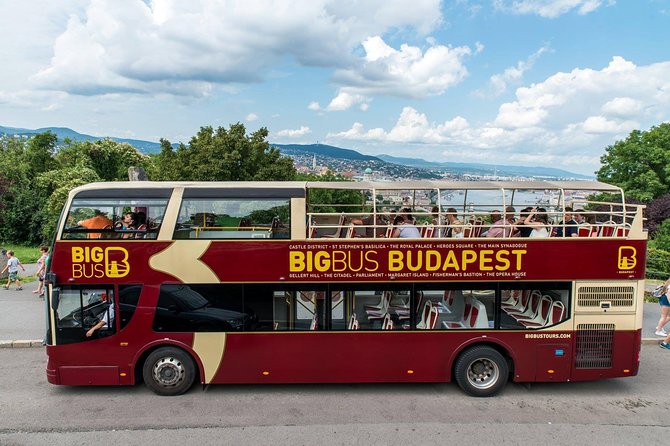
The listed price is $42.13 per person, with 1-, 2-, and 3-day pass options. The exact value depends on how often you use the bus and how much you value the commentary and sightseeing route. If you plan several stops across the city, the ticket can reduce the work of organizing individual journeys and help you see more ground in a short visit.
A one-day pass can be enough if you want a broad overview and a handful of stops. A longer pass gives you more time to explore at a slower pace, but only makes financial sense if you expect to ride on multiple days. Do not buy three days simply because the option is available. If you intend to use the bus mainly for one loop and rely on public transit afterward, a shorter pass may be the better deal.
The main cost is not only the ticket. It is also time spent waiting, changing buses, or searching for stops. If those uncertainties would frustrate you, use the bus for orientation and choose another way to get around for the rest of your stay.
Who should book this Budapest bus tour?
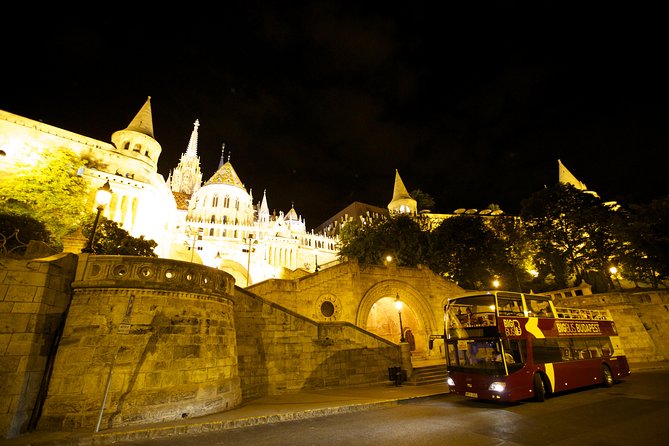
I would consider this pass if you are visiting Budapest for the first time, want to identify the major sights, and enjoy the freedom to stop when something interests you. It is particularly useful if walking long distances is not your preferred way to cover the city, or if you want a simple framework for dividing sightseeing across one or more days.
It is a weaker fit if you need punctual transport, dislike waiting, or expect a polished audio experience on every bus. The service has had reports of delays, bus changes, and inconsistent sound. The cruise also needs a careful check because the package details specify a discount rather than a free ride.
Book when you have room in your schedule and want a guided overview, not when you need a guaranteed point-to-point transfer. Before paying, confirm your pass length and the current cruise terms. If those match your plans, the route gives you a convenient way to get your bearings and reach many of Budapest’s best-known sights.
FAQ
How long is the Big Bus Budapest tour?
The approximate ride duration is 1 hour 40 minutes. That is an estimate for the bus experience, not the total time required to explore stops or use a multi-day pass.
How many stops are on the route?
The sightseeing service lists 27 stops, including Heroes’ Square, the Parliament, St. Stephen’s Basilica, Gellért Thermal Bath, and the Castle Hill Funicular.
Is the Danube cruise included in the ticket?
The package details specify a 30% discount on a Danube River Cruise. They do not list a complimentary cruise, so confirm the terms for your chosen date before booking.
How many days can I use the bus pass?
You can choose a 1-, 2-, or 3-day pass. Bus access is unlimited during the selected number of consecutive days.
What languages are available for the audio commentary?
The onboard audio commentary is available in 16 languages.
Can I cancel for a refund?
Yes. You can cancel at least 24 hours before the experience starts for a full refund. Cancellations made less than 24 hours before the start time are not refundable.
Fresh additions in Budapest
- Best of Budapest Tour★ 5.0 · 7 reviews
- Be a movie star! Film Tour, Escape room, in Budapest and Etyek★ 5.0 · 3 reviews
- Shooting package 70★ 5.0 · 14 reviews
- Best Historical Sights of Budapest Tour★ 5.0 · 7 reviews
- Capital Budapest – Half Day Private Tour (4hr)★ 5.0 · 7 reviews
- BUSÓJÁRÁS Unesco Heritage Folklore Carnival in Mohács★ 5.0 · 4 reviews
- Budapest 4 Hour Tour with a Local: Private & Custom, See the City Unscripted★ 4.0 · 7 reviews
- Analog Photo Trip★ 5.0 · 5 reviews
Budapest Walking Tours, compared.


Budapest City Landmarks Walking Tour in 2 Hours
Read our review →
3-Hour Orientation Walking Tour of Buda and Pest
Read our review →

Budapest Historical Sightseeing – Free Walking Tour
Read our review →
Budapest All in One Small Group Walking Tour with Strudel Stop
Read our review →
Browse the lists this tour appears in