
Reviewed · BUDAPEST COMMUNIST HISTORY TOURS
Budapest: Communist History Tour with House of Terror Option
Budapest’s Communist past is not tucked away in a textbook. On this small-group tour, you pass memorials, a Soviet monument and traces of Cold War planning while a local guide explains what life under Soviet occupation meant for Hungarians. The walk can lead to a playful look at everyday life in the Budapest Retro Center or a sobering visit to the House of Terror.
I like the route through central Budapest, where political history is attached to actual streets and buildings, and the choice between two very different museums. I also like that the guides make room for questions and, at times, personal or family stories. Guides have included Alexandra, Flora, Noémi and Bea, though the person leading your tour will depend on the date.
The main consideration is the tone and format you choose. The Retro Center is lighter and interactive; the House of Terror deals with repression, interrogation and torture. Also check your selected option carefully: the guided walk is shared, but the museum visit may be self-guided or guided, depending on the booking.
At a glance: what makes this tour useful
- Parliament begins the story: Start near a landmark and see memorials tied to the victims of dictatorship.
- Liberty Square holds a striking contrast: Its Soviet Liberation Memorial remains in its original location.
- Cold War traces are part of the walk: The route includes ventilation channels linked to a secret underground nuclear bunker.
- The 1956 uprising gets context: Your guide points out sites connected with Hungary’s anti-Soviet revolution.
- Choose your museum: The Budapest Retro Center offers period objects and interactive displays; the House of Terror presents a darker account of repression.
- A small group leaves room for questions: The tour is limited to 10 people and conducted in English.
Central Budapest makes a strong classroom
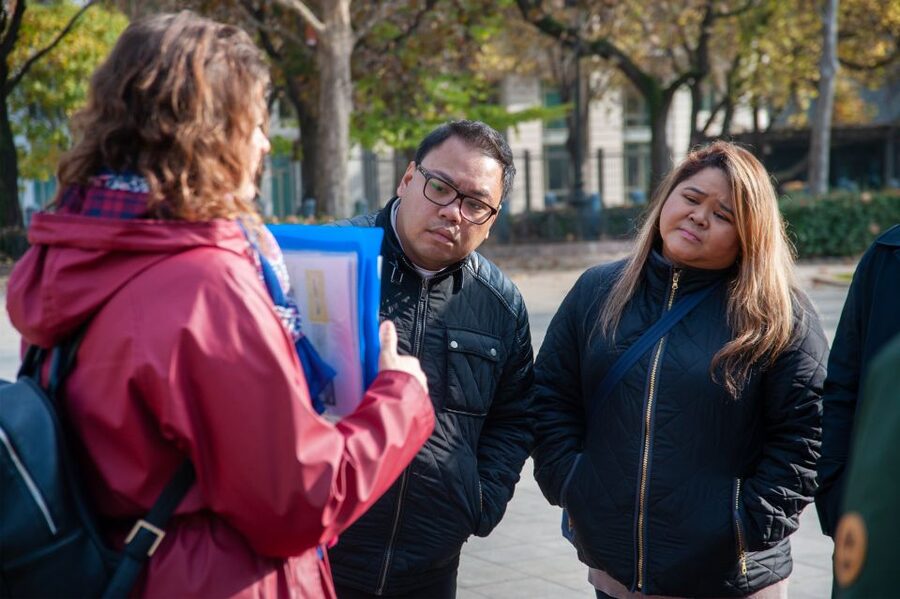
The walk gives you a framework for understanding Hungary’s 45 years of Communist rule under Soviet military occupation. Rather than treating the period as a distant chapter, your guide connects political power to visible places in the city and explains how the regime shaped daily life.
That context matters. A monument, a church leader’s former place of exile and a Cold War bunker can each seem like a separate stop when you visit alone. Together, with a guide explaining how they fit into Hungary’s past, they help make a complicated period easier to follow.
The tour also covers the Hungarian anti-Soviet revolution of 1956. Expect a guided introduction to places connected with the uprising, rather than a full account of every event in modern Hungarian history. The two-hour format calls for selection: the guide’s job is to help you understand the sites you see and the forces behind them.
More communist history tours in Budapest:
- Communism in Hungary with a Historian
★ 5.0 · 70 reviews - Budapest: 3-Hour Walking Tour About Communism (Small Group)
★ 4.7 · 70 reviews - Budapest Hammer & Sickle Communist Times Tour
★ 4.5 · 68 reviews
Parliament and the memorials to dictatorship
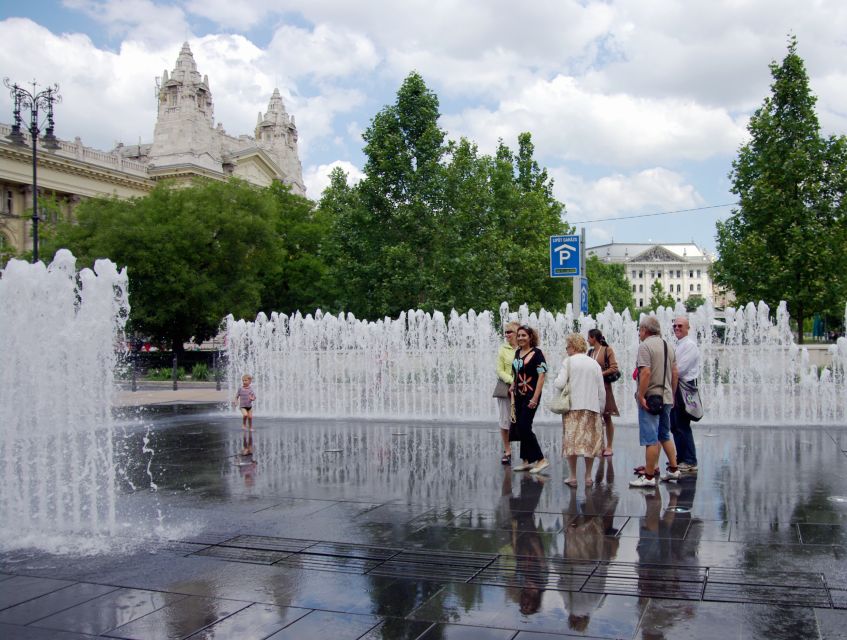
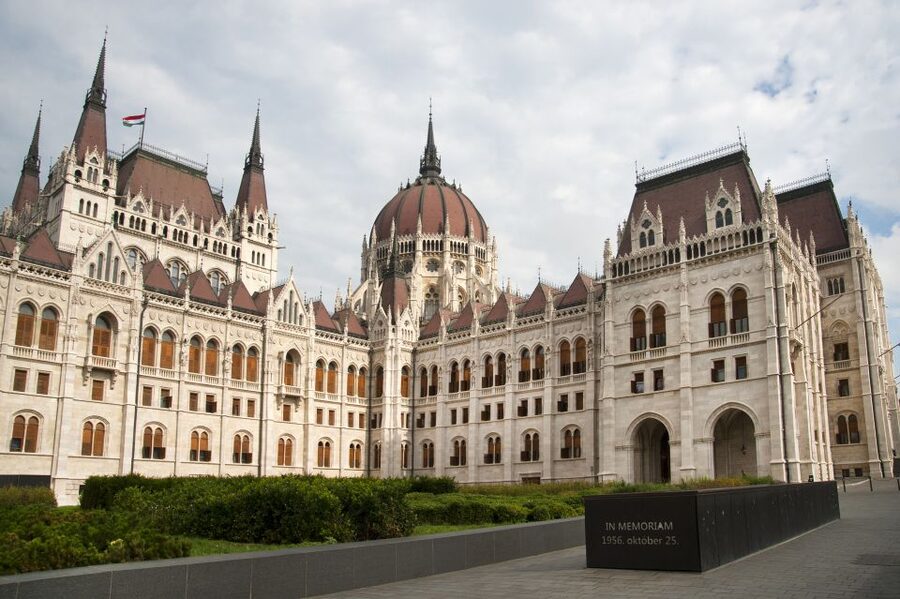
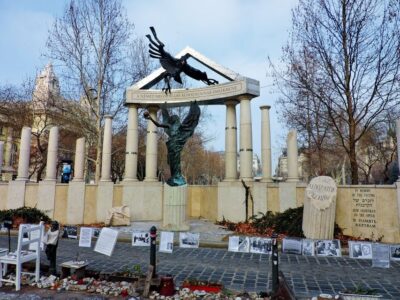
The tour begins at the magnificent Hungarian Parliament. Its scale makes a memorable starting point, but the focus here is the political story, not a tour of the building’s interior. Nearby, you see dramatic monuments, including one dedicated to victims of the Communist dictatorship.
A guide can help explain why memorials matter in a city where public space has carried competing political messages. You’re not just looking at stone and inscriptions. You’re considering how Hungary remembers those who suffered under the regime and how those memories sit alongside the monuments left by the Soviet period.
I’d bring questions, especially if you have family ties to Hungary or have studied the Cold War elsewhere. Guides such as Flora and Noémi have been praised for handling questions with patience, and some guides bring personal or family experience to their explanations. Veronika, for instance, has shared what it was like to grow up in Hungary under Communist rule. That kind of perspective can add human detail to the dates and events.
Liberty Square and the Soviet memorial
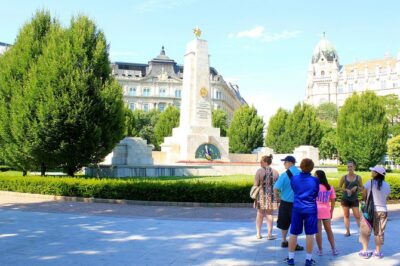
At Liberty Square, you see the Soviet Liberation Memorial, described as the last Communist monument in the city still standing in its original place. Its presence is a useful prompt to think about how Budapest’s public spaces reflect the country’s changing politics.
You’ll also hear about Cardinal Mindszenty, the anti-Communist Catholic Church leader whose years of exile were spent in the American Embassy. The tour points out the famous windows associated with his story. It’s a small detail with a human scale: political conflict is no longer only about governments and armies, but about a person’s constrained life inside a building.
The walk’s value lies partly in these connections. Your guide can explain what the sites meant at the time and why they remain part of the city’s story. If you prefer to take photographs or pause to absorb a place, the walk has been described as steady, with time to stop. Still, this is a two-hour group tour, so it is not a private, open-ended visit at each landmark.
A bunker’s ventilation channels and the 1956 uprising
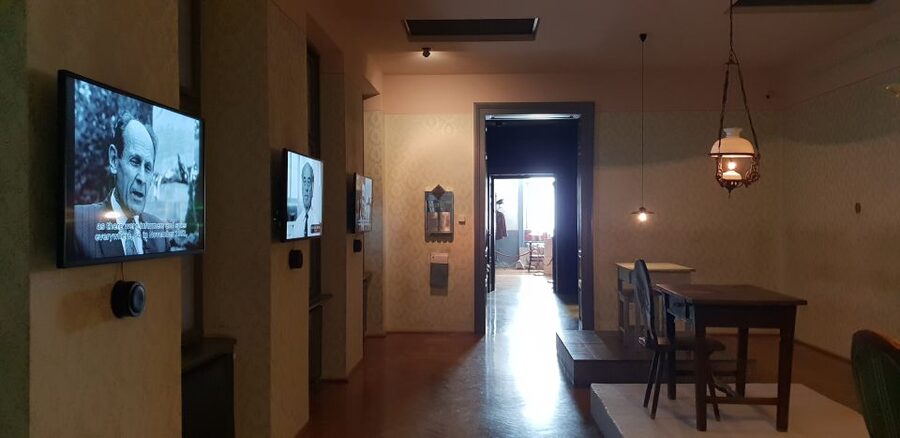
One of the more unusual details on the route is the ventilation system connected with a secret underground nuclear bunker built during the Cold War. You explore its ventilation channels, a reminder that the threat of conflict shaped preparations far beyond the grand public monuments.
The tour also visits sites connected with the 1956 anti-Soviet revolution. Your guide helps place the uprising in its wider setting and explains its consequences. The walk is a way to see where history happened, but it does not replace a full museum visit or an extended study of the revolution.
The small-group limit of 10 suits this subject. It gives you a better chance to ask how a particular event affected ordinary Hungarians, rather than simply moving from one plaque to the next. Some guides share personal recollections or family stories. Those accounts can make the period feel closer, though each guide’s experience and approach will differ.
More Budapest tours in Budapest:
- Budapest: City Highlights Cruise with Welcome Drink
★ 4.6 · 35,610 reviews - Budapest: Unlimited Prosecco, Beer and Aperol Spritz Cruise
★ 4.8 · 25,310 reviews - Budapest: Széchenyi Spa Day Ticket with Optional Upgrades
★ 4.3 · 23,911 reviews - Budapest: Nighttime or Daytime Sightseeing Cruise
★ 4.2 · 21,062 reviews
The morning choice: Budapest Retro Center
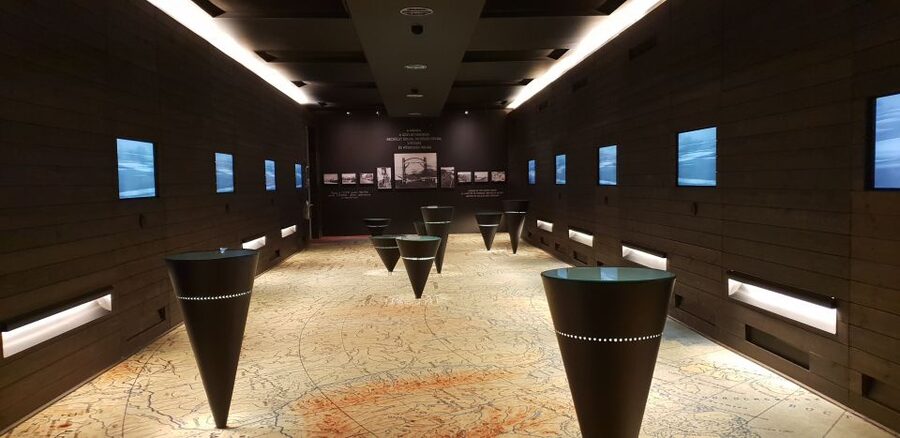
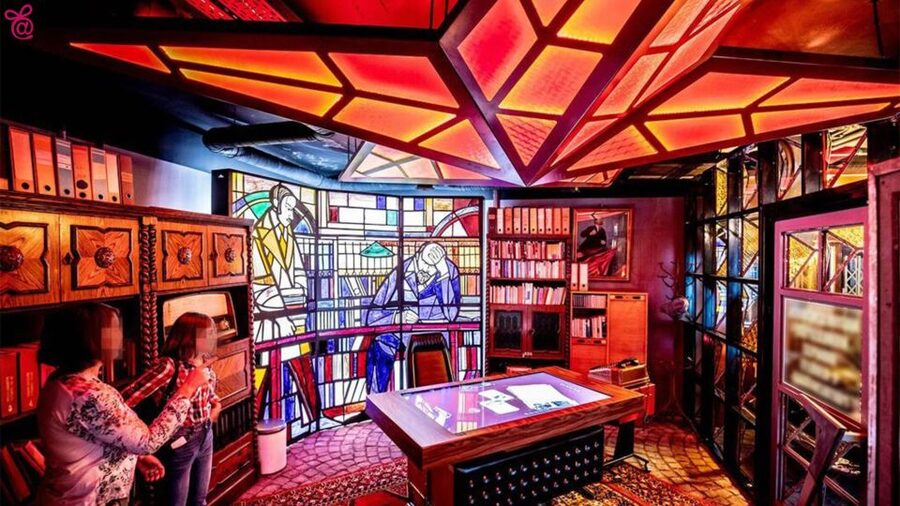
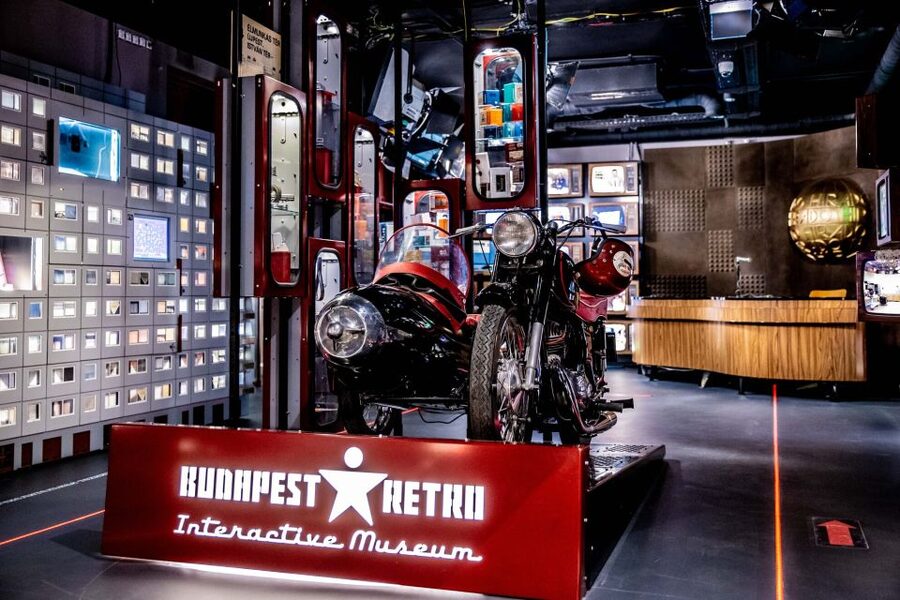
Choose the morning option if you want to finish the walk with a lighter, more everyday view of Communist-era life. The Budapest Retro Center is a three-floor collection focused on the period from the 1960s to the 1980s. Its displays include street scenes, vehicles, Soviet-Hungarian space-flight material, home interiors and thousands of objects from the era.
The museum’s interactive touches give the visit a different mood from the memorials outside. You can dress as a Communist comrade or try being a television news presenter from the period. The point is not to make hardship into a joke. Rather, the collection offers a look at the objects, routines and visual culture that shaped ordinary life.
A one-hour guided visit is included with the morning walking-tour option. It’s a good match if you want a broad introduction to the period without spending your entire day with its darkest material. The trade-off is that a playful presentation may feel less emotionally weighty than the House of Terror, and it cannot cover every aspect of life under the regime.
The afternoon choice: House of Terror
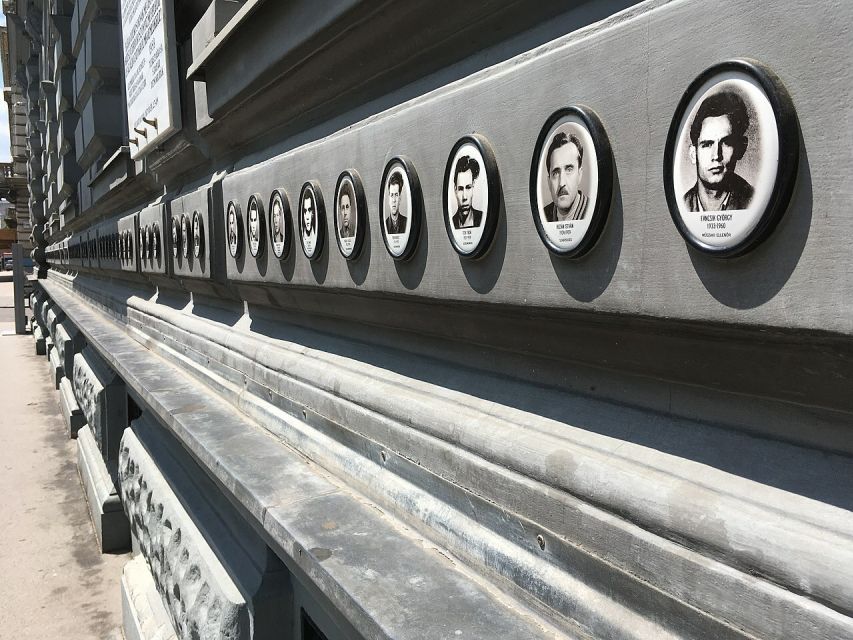
The afternoon walking-tour option pairs the central walk with an entry ticket to the House of Terror Museum. In this version, you visit the museum on your own. That distinction matters: the ticket is included, but the museum visit is not the same as booking the guided House of Terror option.
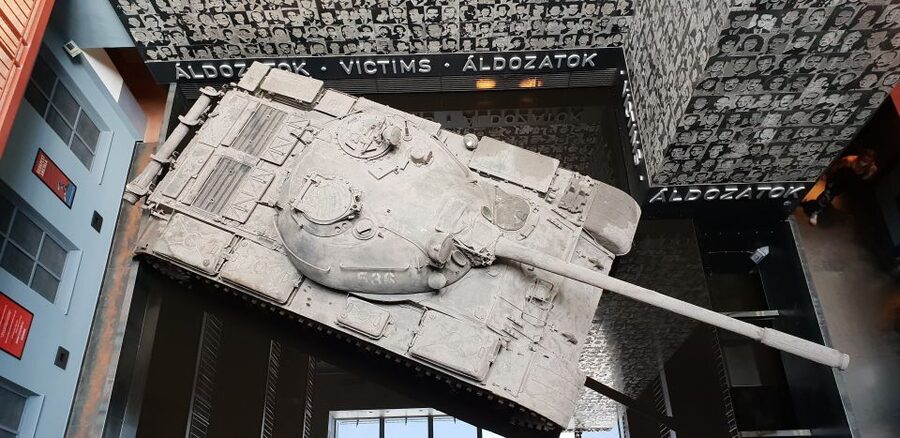
The museum occupies the former seat of the AVO State Protection Police, described as Hungary’s local counterpart to the Soviet KGB. Its displays address the brutal Communist dictatorship of the 1940s and 1950s, including interrogation and torture cells, political trials, mass deportations and labor camps. The museum also covers Hungary’s path from Nazi rule through Soviet occupation, the 1956 revolution and the end of Communism in 1989.
This is a demanding visit, not a breezy add-on. The subject matter is unsettling, and the museum’s restoration is intended to commemorate victims of repression. If you want help making sense of the exhibits as you go, consider the third option: a guided visit inside the House of Terror. That version takes you through the museum with a guide and covers the period from World War II and Nazi rule to Soviet occupation and the end of Communism.
The guide is an independent professional, not a museum employee. You should receive your ticket from your tour guide, not from the museum ticket office. English-language guidance is available, and the tour is described as skipping the ticket line.
What a good guide adds
The strongest reason to book this experience is the guide. The subject is complex, and the places alone cannot explain what daily life was like or why particular memories remain sensitive. Guides including Alexandra, Flora, Bea, Kati, Naomi and Noémi have led tours, with visitors especially valuing clear explanations, enthusiasm, patience and thoughtful answers.
The best guiding here is not simply a recitation of dates. It links the memorials and buildings to people’s choices, fears and routines. Some guides have brought in their own experience or family stories; one guide, Adam, shared memories of growing up under Communist rule. That personal layer is not guaranteed on every departure, but the tour’s local focus makes space for it.
The small group can help the conversation feel more direct. Groups are capped at 10, and some departures may be smaller. Guides have also shown care when participants needed a slower pace or had walking aids. If mobility is a concern, the supplied details do not promise a particular route adjustment, so contact the provider before booking rather than assuming every departure can be adapted.
Is $58 a fair price?
At $58 per person, the tour costs more than a self-guided walk, but you’re paying for an English-speaking professional guide, a small group and an included museum ticket, with the museum depending on your selected option. You also get a route that links several sites into one coherent account of Hungary’s Communist period.
The value is strongest if you want context and conversation. A guide can answer questions, connect the 1956 uprising to what you see and help you approach the House of Terror’s material with more understanding. If you’re already well versed in Hungarian history and prefer to read displays at your own pace, you might get less from the guided walk, though the museum ticket and selected visit may still appeal.
Check the exact option before paying. The morning tour includes the Retro Center visit; the afternoon walking option includes an independent House of Terror visit; a separate choice provides a guided House of Terror tour. The meeting point varies by option, so use the details for the version you select.
Who should book this Budapest history tour?
I’d recommend it to anyone curious about the Cold War, Soviet occupation or Hungary’s path from Nazi rule to Communist dictatorship and then to the end of Communism in 1989. It also suits visitors with Hungarian family connections who want to place inherited stories against the city itself.
If you’re travelling with a teenager studying Communism, the walk offers tangible sites and a chance to ask questions. The Retro Center may suit a visitor who prefers objects and interactive displays; the House of Terror is more fitting if you’re prepared for a serious account of political violence and its consequences.
The main drawback is that two hours cannot cover the whole story. The House of Terror can also be emotionally heavy, while the Retro Center takes a more playful approach. Pick the museum that suits your interests and your appetite for difficult material, and remember that only one of the House of Terror options includes a guided museum visit.
Should you book it?
Book this tour if you want more than a list of Communist-era monuments. Its combination of central Budapest sites, a small English-speaking group and a choice of museum makes it a practical introduction to a period that still shapes the country’s story. For the most guided context inside the House of Terror, choose the guided museum option; for a more lighthearted finish, choose the morning Retro Center visit.
Skip it if you want a long, unhurried museum day or already know the subject well and prefer exploring alone. For most visitors with an interest in modern Hungarian history, though, a guide’s explanations are likely to be the tour’s greatest value.
FAQ
How long is the tour?
The stated duration is two hours. The morning option includes a one-hour guided visit to the Budapest Retro Center, while the afternoon walking option includes a House of Terror ticket for an independent visit.
How much does it cost?
The listed price is $58 per person. The included museum entry depends on the option you select.
What language is the tour in?
The live tour guide speaks English.
How large is the group?
The small group is limited to 10 participants.
Which museums can I choose between?
The options include the Budapest Retro Center or the House of Terror Museum. The House of Terror is available as an independent visit with an entry ticket or as a guided museum tour.
What will I see on the walking tour?
The central Budapest walk includes the Hungarian Parliament area, memorials to victims of dictatorship, Liberty Square, the Soviet Liberation Memorial, the windows associated with Cardinal Mindszenty’s exile, ventilation channels linked to a secret underground nuclear bunker and sites connected with the 1956 uprising.
Is the House of Terror visit guided?
It depends on the option. One afternoon option includes a ticket for an independent visit; another option includes a guided visit inside the museum.
Is the guide an employee of the museum?
No. The guide is an independent professional, not a museum employee.
Where do I get my museum ticket?
Your tour guide gives you the ticket. Do not look for it at the museum ticket office.
Can I cancel for a refund?
Yes. You can cancel up to 24 hours in advance for a full refund.
Fresh additions in Budapest
- Best of Budapest Tour★ 5.0 · 7 reviews
- Be a movie star! Film Tour, Escape room, in Budapest and Etyek★ 5.0 · 3 reviews
- Shooting package 70★ 5.0 · 14 reviews
- Best Historical Sights of Budapest Tour★ 5.0 · 7 reviews
- Capital Budapest – Half Day Private Tour (4hr)★ 5.0 · 7 reviews
- BUSÓJÁRÁS Unesco Heritage Folklore Carnival in Mohács★ 5.0 · 4 reviews
- Budapest 4 Hour Tour with a Local: Private & Custom, See the City Unscripted★ 4.0 · 7 reviews
- Analog Photo Trip★ 5.0 · 5 reviews
Budapest Communist History Tours, compared.
3-Hour Walking Tour About Communism (Small Group)
Read our review →
Memento Park: Official Guided Tour with Entry Ticket
Read our review →
Browse the lists this tour appears in