
Reviewed · BUDAPEST COMMUNIST HISTORY TOURS
Budapest: Memento Park Ticket
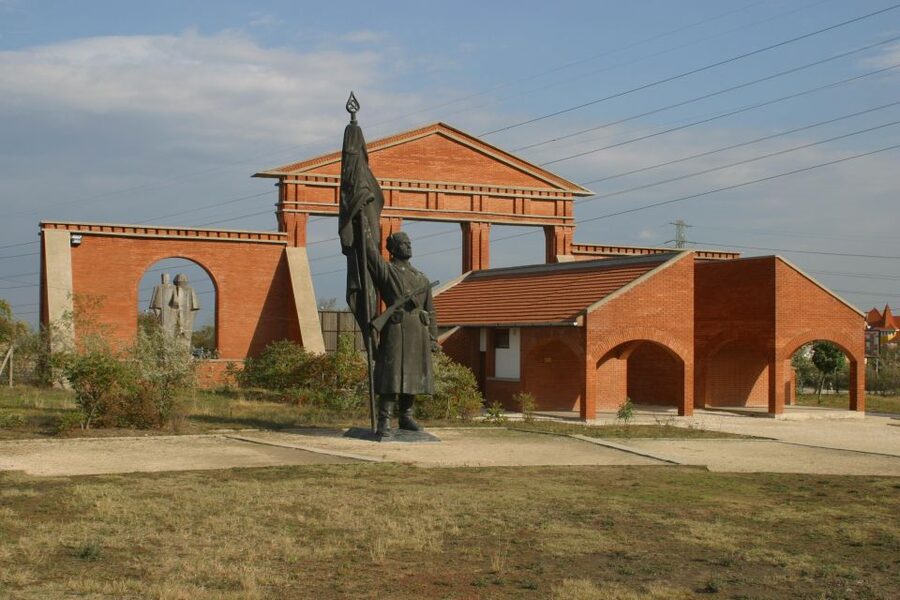
Memento Park puts the monumental art of Hungary’s communist era in one striking place. Instead of seeing these statues in city squares, you find them gathered as reminders of a political system that once used public sculpture to make its power visible. I like the chance to see the scale of the monuments up close, and the mix of serious exhibits with a photo stop in an original Trabant.
The main consideration is location: the park is outside central Budapest, and transportation is not included. The paths are gravel, too, so this visit is not suitable for wheelchair users.
What to know before you go
- The statues were removed from Budapest’s streets: The park preserves monuments left behind after the end of communism, giving them a new setting as reminders of the era.
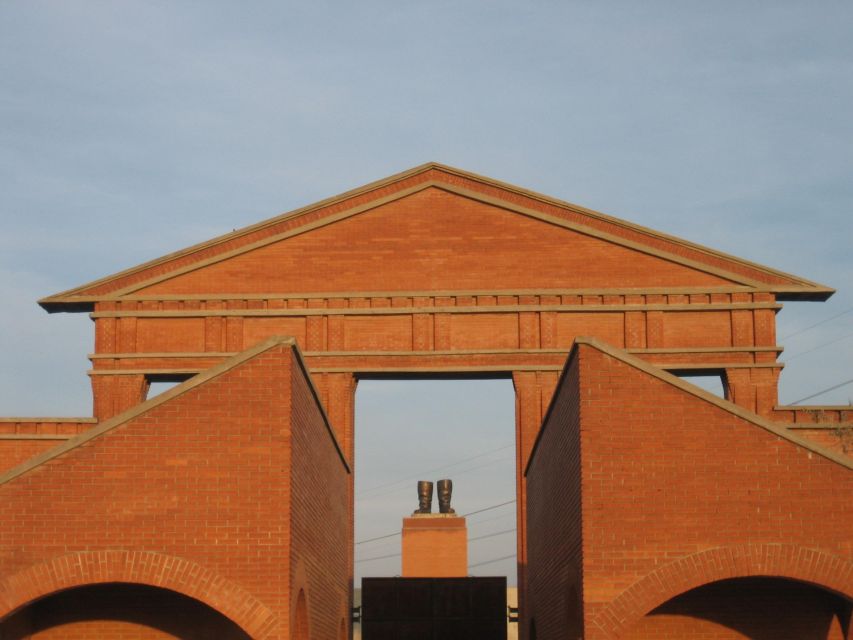
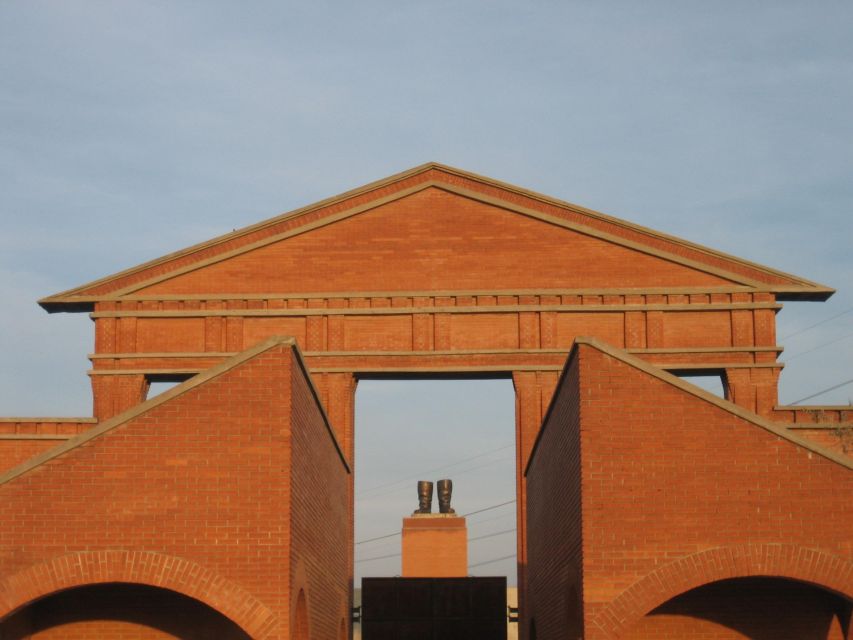
- Stalin’s Grandstand sets the scene: This replica recalls the parade stand where party and state leaders watched Socialist holiday celebrations.
- The exhibits add context: Your ticket includes a photo exhibition and The Life of an Agent, a film about the former political secret service.
- There’s more than sculpture: You can see displays beneath Stalin’s Boots and explore the park’s storage showroom and art exhibition.
- The Trabant is a hands-on photo stop: You can sit in the original car, once among the most popular models in the country.
- The visit is self-guided: Admission is included, but guided tours and transportation are not.
A park built from Budapest’s former monuments
At the end of Hungary’s communist era, statues were taken off Budapest’s streets and brought here. Their removal changed their meaning. In their former public settings, these large figures helped promote the ideals and power of the state. In Memento Park, they stand together as evidence of that period, and as reminders of how quickly official symbols can become historical objects.
That shift is the park’s central idea. You are not just looking at old statues; you are seeing monuments whose political purpose has ended. The arrangement encourages you to consider how sculpture was used to shape public life, and what happens when a society decides those symbols no longer belong in its streets.
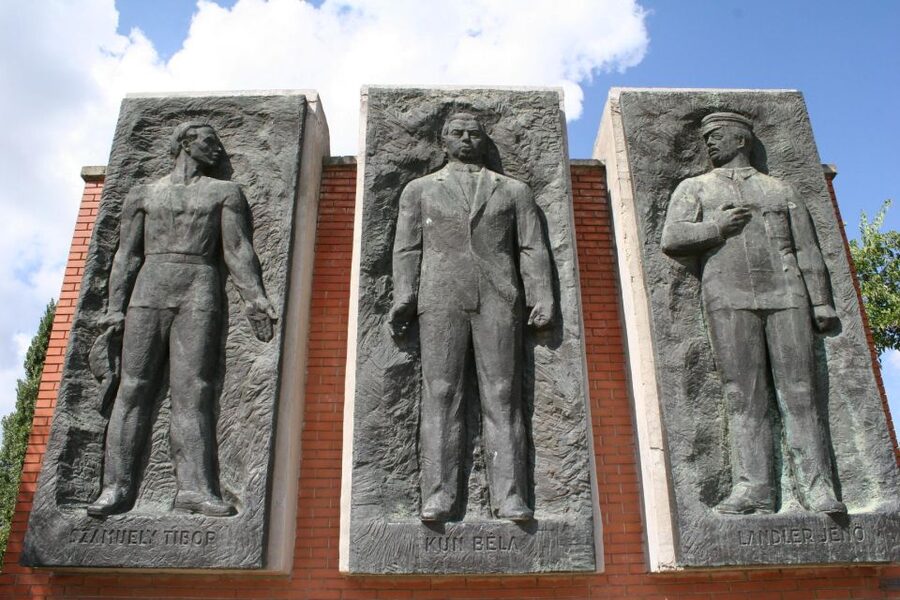
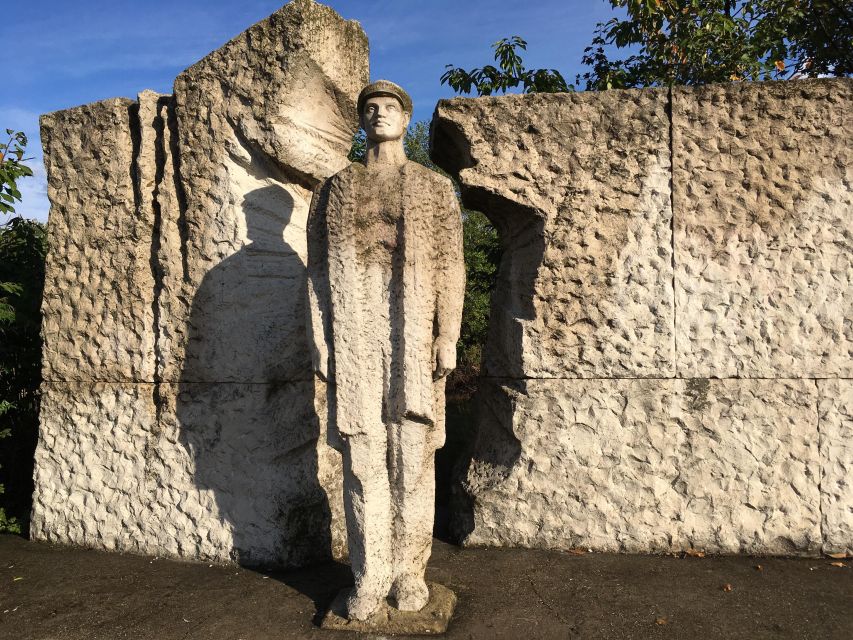
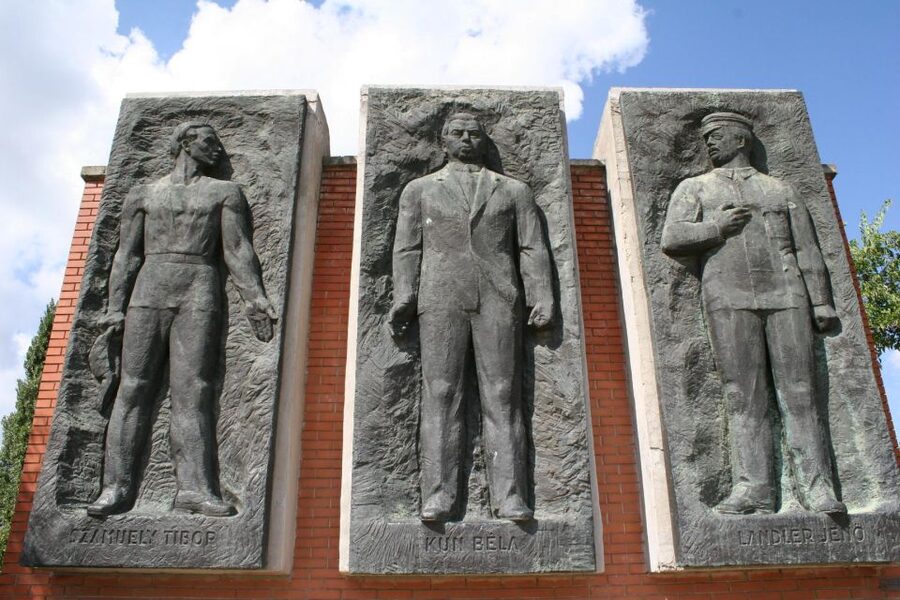
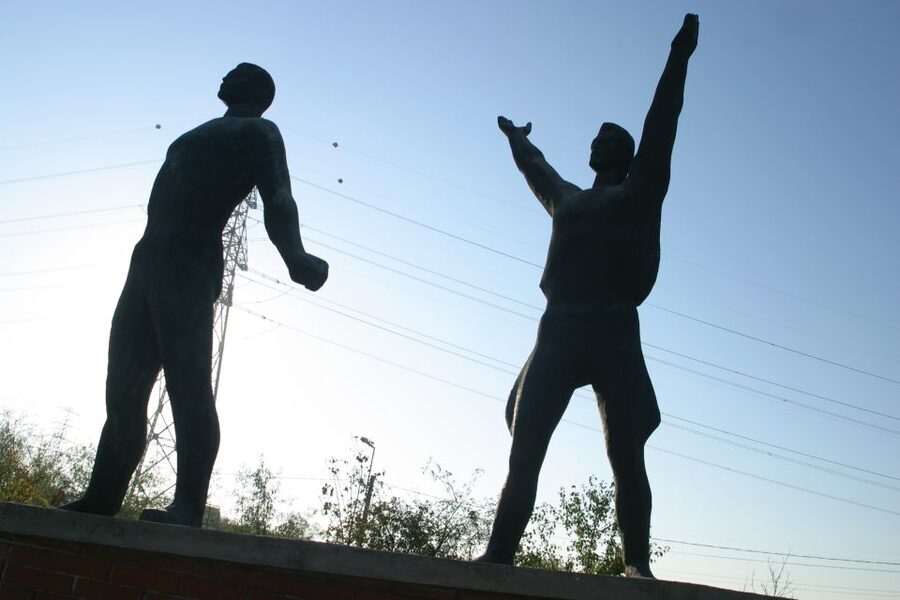
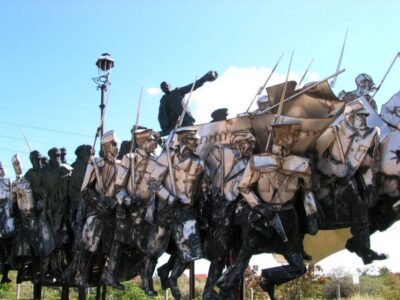
The collection includes allegorical monuments to liberation, figures associated with the labor movement, and soldiers of the Red Army. Their size is part of the point. These works were made to be seen from a distance and to command public space. Here, you can take in their scale without needing to imagine them high above a busy square.
Memento Park does not replace a broader account of Hungary’s history, and the ticket does not include a guide. But it gives you a focused way to encounter the material remains of the Socialist period. If you have already been seeing Budapest’s grand civic spaces, this visit adds a useful counterpoint: it takes the monuments out of their original settings and puts the legacy of the era on display.
More communist history tours in Budapest:
- Budapest: Communist History Tour with House of Terror Option
★ 4.8 · 182 reviews - Communism in Hungary with a Historian
★ 5.0 · 70 reviews - Budapest: 3-Hour Walking Tour About Communism (Small Group)
★ 4.7 · 70 reviews
Stalin’s Grandstand and the parade setting
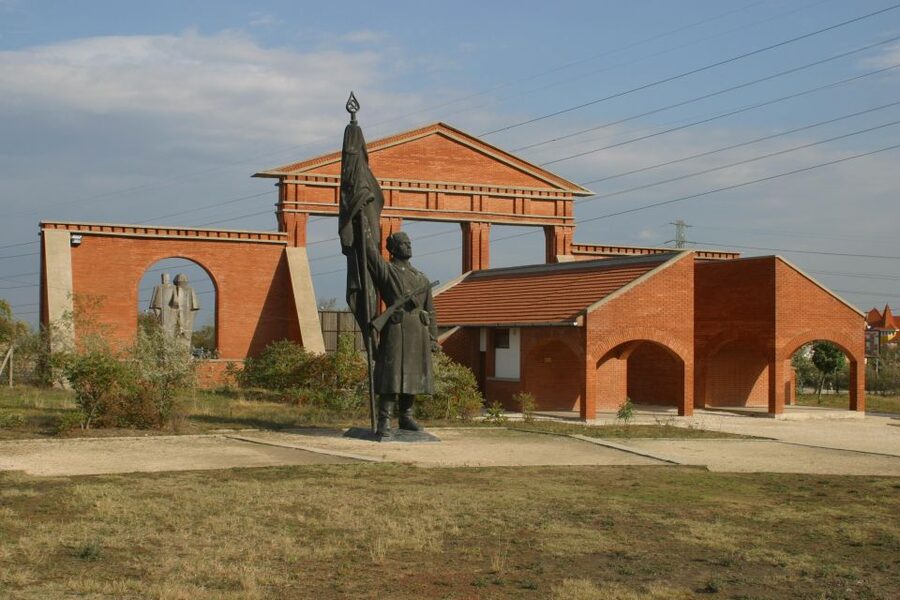
The first feature to look for is Stalin’s Grandstand, a replica of the one that once stood in the former Parade Square. Party and state leaders watched Socialist holiday celebrations from that stand. Even without the original crowds and ceremonies, its presence helps explain the political theater that surrounded official events.
The stand makes a good starting point because it gives you a sense of how public space was staged. The leaders did not watch from an ordinary platform; the grandstand marked them out as the center of the ceremony. Nearby statues make more sense when you consider the events and audiences for which such monuments were created.
You can also look for additional statues and exhibitions around the grandstand, along with views from the structure. This is a place to pause rather than rush past. Take in the contrast between an imposing ceremonial replica and a park where the old symbols are now objects of study.
Keep expectations grounded: the grandstand is a replica, not the surviving original structure. Its value is in the context it provides, and in how it helps you picture the public rituals that once took place there.
Statues that once spoke for the state
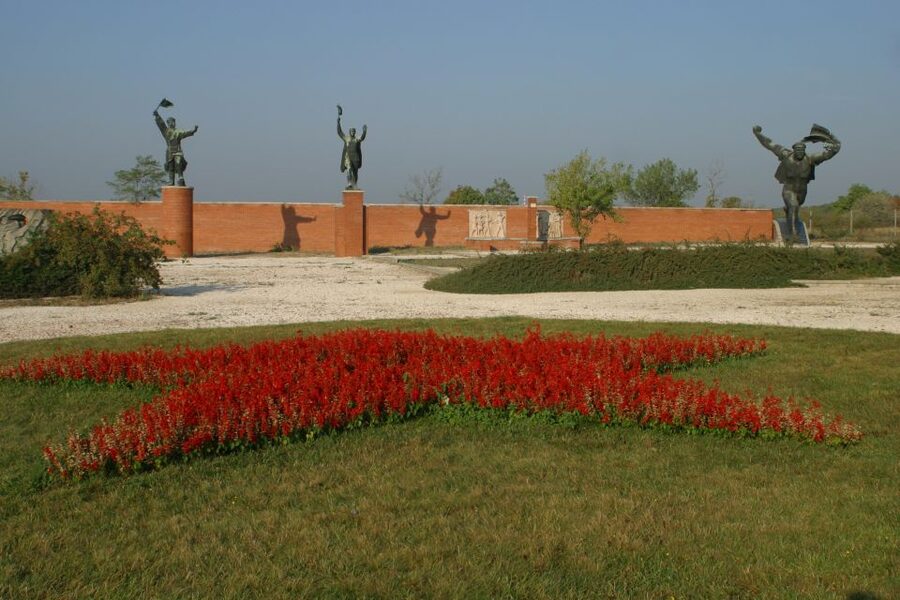
The monuments are the park’s most immediate draw. Their themes include liberation, labor, and Red Army soldiers, subjects that were central to the public imagery of the period. Look at how the figures are posed and how their scale affects your view of them. Even without a guide explaining every work, you can see that these were not designed to blend into the background.
I like that the park gathers different types of political monument in one place. You can compare allegorical figures with representations of people and military forces, and notice how each image presents an ideal of public life. The experience is less about finding a single famous statue than seeing how a whole collection worked together.
You are welcome to pose for photos with Lenin or the Soviet soldiers. That lighter side of the visit is part of the park’s appeal, though it can feel odd beside monuments tied to a dictatorship. The contrast is worth thinking about: the sculptures were once instruments of public messaging, but they can now be approached as historical objects, even with a camera in hand.
A little patience helps here. These are large works, and their details are easier to appreciate when you stop to look rather than treating the park as a quick checklist. Since the visit is self-guided, you set your own pace and decide which statues deserve more time.
The film and photo exhibition
The ticket includes access to a photo exhibition and a documentary called The Life of an Agent, which covers the former political secret service. This indoor material broadens the visit beyond monumental sculpture. The statues show the public face of the era; the film turns your attention to the political machinery behind that public image.
The exhibition is especially useful if you want more context than the monuments alone provide. Sculpture can show you what a government chose to celebrate, but a film about the secret service points toward a different part of political life. Together, the displays offer more than a collection of outsized figures.
The park also includes an area called The Most Cheerful Barrack, where the photo exhibition and film are shown. Plan to make time for both rather than spending your entire visit outdoors. The park is valid for one day, so there is no need to cram every stop into a hurried circuit.
One practical limit: no guided tour is included. A guide booklet has been described as thorough and useful, so it may help you get more from the visit if one is available when you go. The experience still works as a self-guided stop, but you will need to read and watch the exhibits rather than rely on a guide to connect the details for you.
More tickets and passes in Budapest:
- Budapest: Széchenyi Spa Day Ticket with Optional Upgrades
★ 4.3 · 23,911 reviews - Budapest: Parliament Building Entry Ticket and Audio Guide
★ 4.5 · 3,844 reviews - Budapest: Full-Day Gellért Spa Ticket
★ 4.2 · 3,340 reviews - Budapest: Cinema Mystica Entry Ticket
★ 4.3 · 3,103 reviews
Under Stalin’s Boots and the Trabant
The display beneath Stalin’s Boots adds another layer to the site. The ticket includes a storage showroom and art exhibition there, offering a different way to encounter the park’s collection from the open-air monuments. It is a reminder that Memento Park is not only about the sculptures that dominate the grounds; the supporting displays also contribute to the story.
Then there is the Trabant. You can sit in the original car and take photos, making it one of the park’s most playful stops. The car was one of the most popular photo points at the site, and it gives you a very different image to take home from the imposing statues.
That contrast is useful rather than distracting. The park asks you to look at a serious political period, but it does not require every moment to be solemn. The Trabant offers a small, tangible object to connect with everyday life, while the statues show the state’s grand public imagery. Make time for both, and you get a more varied visit.
How long to allow and how to get there
Your ticket is valid for one day, and the park has several components: the outdoor monuments, Stalin’s Grandstand, the photo exhibition, the documentary, the displays beneath Stalin’s Boots, and the Trabant. The information provided does not give a fixed visit length, so I would avoid planning it as a timed, tightly scheduled tour. Check the available starting times when you book, then leave enough room to explore the exhibits at your own pace.
Transportation is not included. The meeting point is the entrance at the corner of Balatoni út and Szabadkai utca, in Hungary’s Central Hungary region. Since the park is outside central Budapest, work out your route before setting off rather than assuming the ticket covers the journey.
Bus information can become unreliable when roadworks close nearby streets. Routes 101E and 150 have not always stopped near the park during roadworks, so check current route details and local notices before you travel. This is a particularly worthwhile precaution if you are relying on public transport.
The paths are covered with gravel and may not be suitable for wheelchair users. If accessibility is a concern, the stated conditions are a significant limitation, not a small inconvenience.
Is the $10 ticket good value?
At $10 per person, admission covers more than the outdoor statues. You also get the photo exhibition and film, the storage showroom and art exhibition beneath Stalin’s Boots, and access to the Trabant photo stop. For someone interested in political history, public art, or unusual places beyond central Budapest, that is a solid amount to see for the price.
The value depends on what you want from the visit. If you expect a guided account of every statue or transportation from the city, the ticket will not meet that expectation: neither is included. If you are comfortable exploring on your own and using the exhibits to build context, the admission price is easier to justify.
The park’s 4.5 rating from 46 reviews suggests a generally positive experience, and the most enthusiastic response centers on the scale and interest of the communist-era statues. The practical complaints are worth keeping in mind: there is no café mentioned, and roadworks can affect how close some buses get. Bring your own plan for food and check your route before departure.
The park is a stronger choice for travelers who want to understand how a political era presented itself in public, rather than for anyone seeking a conventional sightseeing stop in the city center. Its appeal lies in the unusual setting, the imposing sculptures, and the chance to connect them with a film and exhibition.
Should you book Memento Park?
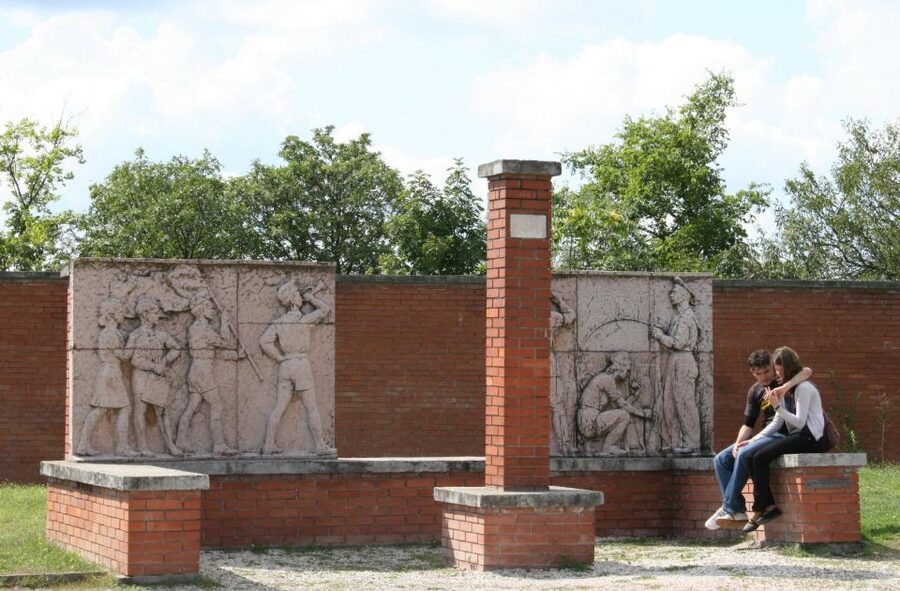
I would book Memento Park if you are curious about Hungary’s communist period and want to see the monuments that once filled Budapest’s streets. The statues are the main event, while Stalin’s Grandstand, the film, and the Trabant give the visit useful variety. At $10, the included exhibits make the ticket worthwhile for an independent visit.
Think twice if you need a guided tour, door-to-door transport, or wheelchair-friendly paths. And check the route before you go, especially if roadworks are affecting local buses. If those limits work for you, this is a memorable way to see the political past not in a museum case, but gathered together in the open.
FAQ
What does the Memento Park ticket include?
It includes admission, the photo exhibition and film in The Most Cheerful Barrack, the storage showroom and art exhibition beneath Stalin’s Boots, and access to an original Trabant car for photos.
Is a guided tour included?
No. The ticket includes admission but not a guided tour.
Is transportation to the park included?
No. Transportation is not included. The meeting point is at the entrance on the corner of Balatoni út and Szabadkai utca.
How long is the ticket valid?
The ticket is valid for one day. Check availability for starting times when booking.
Is Memento Park suitable for wheelchair users?
No. The park’s paths are covered with gravel and may not be suitable for wheelchair users.
Can I cancel the booking?
Yes. You can cancel up to 24 hours in advance for a full refund.
Fresh additions in Budapest
- Best of Budapest Tour★ 5.0 · 7 reviews
- Be a movie star! Film Tour, Escape room, in Budapest and Etyek★ 5.0 · 3 reviews
- Shooting package 70★ 5.0 · 14 reviews
- Best Historical Sights of Budapest Tour★ 5.0 · 7 reviews
- Capital Budapest – Half Day Private Tour (4hr)★ 5.0 · 7 reviews
- BUSÓJÁRÁS Unesco Heritage Folklore Carnival in Mohács★ 5.0 · 4 reviews
- Budapest 4 Hour Tour with a Local: Private & Custom, See the City Unscripted★ 4.0 · 7 reviews
- Analog Photo Trip★ 5.0 · 5 reviews
Budapest Communist History Tours, compared.
Communist History Tour with House of Terror Option
Read our review →
3-Hour Walking Tour About Communism (Small Group)
Read our review →
Memento Park: Official Guided Tour with Entry Ticket
Read our review →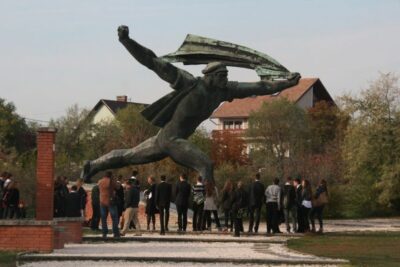
Browse the lists this tour appears in