
Reviewed · BUDAPEST COMMUNIST HISTORY TOURS
Memento Park: Official Guided Tour with Entry Ticket
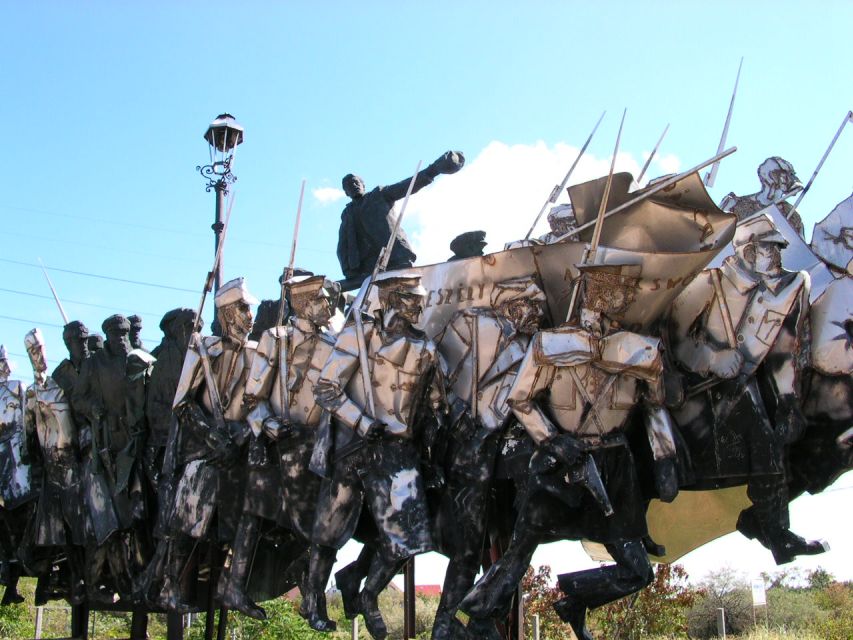
Memento Park gathers the monumental propaganda statues once displayed around Budapest in one open-air museum on the city’s outskirts. With a guide, you can look past the bronze size and stern poses to consider what these figures were meant to say about work, politics and power.
I like two things here: the guide explains the symbols and architecture, not just the names on the plinths, and the visit includes atmospheric details such as Stalin’s Grandstand and an original Trabant you can photograph. The walk also makes room for questions, which helps turn a striking collection into a clearer story about daily life under communism.
The main drawback is the journey. Memento Park is outside central Budapest, and public transport takes about 40 minutes. The paths are gravel, and the stated tour timings do not fully match, so plan your trip and confirm the start time.
Key points
- Stalin’s Grandstand has more to show than its façade: the tour explores hidden rooms and includes a view from the Waving Balcony.
- The statues are easier to read with context: your guide explains their political messages and the people and events they depict.
- The Trabant adds a hands-on photo stop: bring a camera if you want a picture in this original retro car.
- The park is a substantial outing beyond the city center: allow about 40 minutes for the public transport journey.
- Your ticket covers entry and the guided tour: transport, food and drinks are not included.
- The timing needs checking: the walk is described as about 70 minutes, but other activity details list longer segments.
Reading the statues at Memento Park
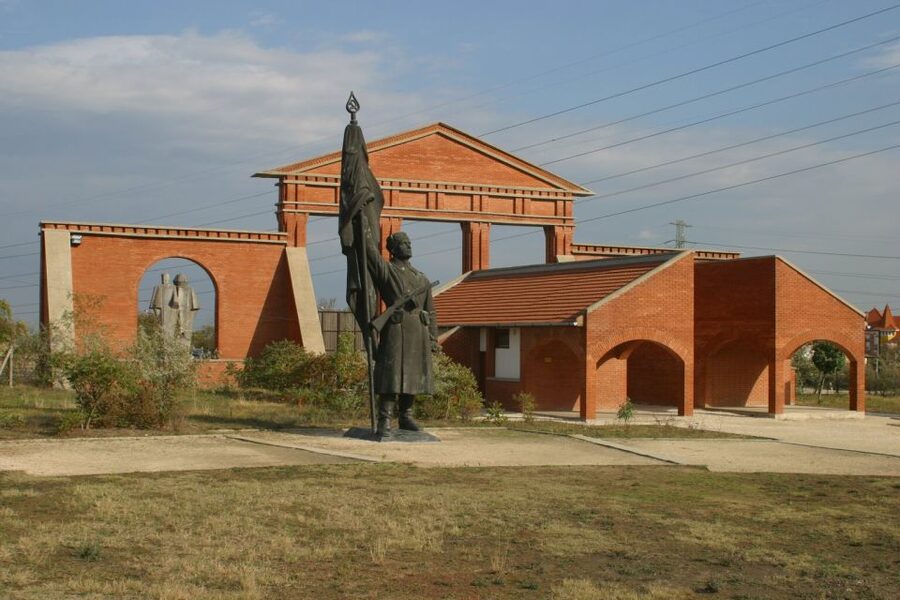
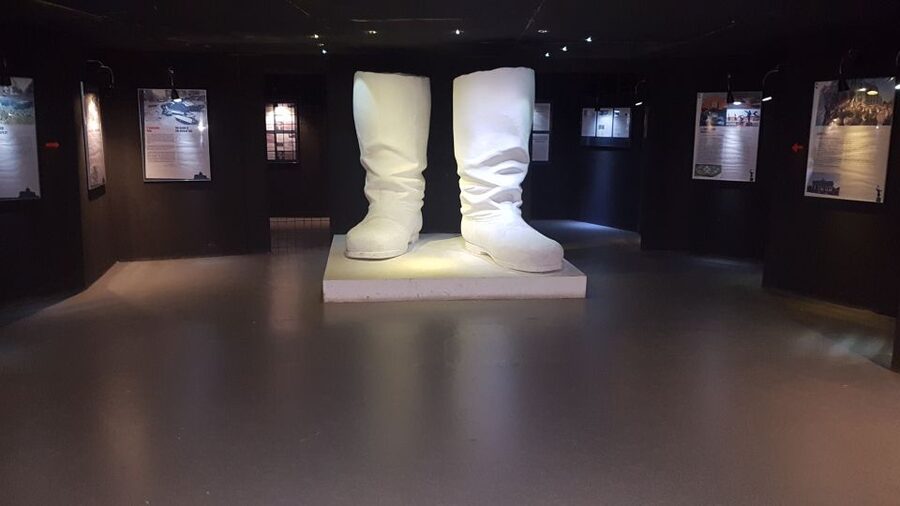
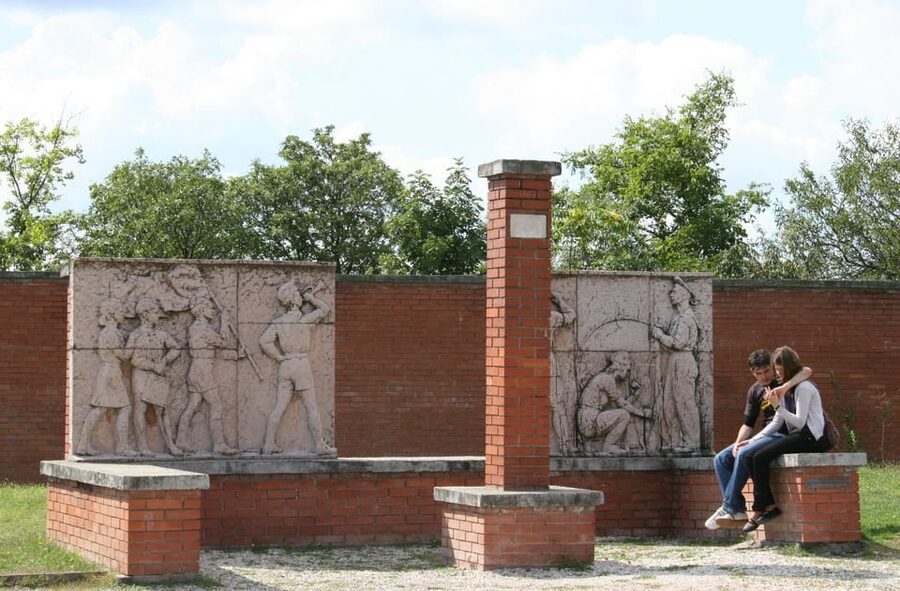
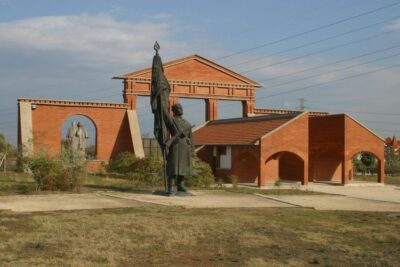
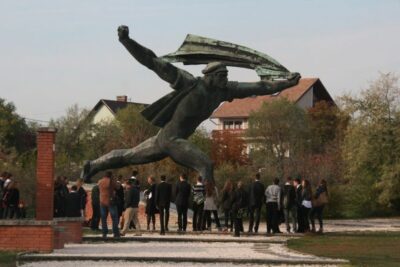
Memento Park is not a standard sculpture garden. Its bronze figures are remnants of a political system that once used monumental public art to put its ideals on display. Workers, Hungarian and international communist figures, and scenes from the workers’ movement fill the park. Their scale is part of the message: these are not quiet portraits meant to blend into a square.
That makes the guide especially useful. A quick look can tell you that the statues are imposing; it takes explanation to connect their poses, design and symbolism to propaganda and the effort to influence public life. The guide helps you understand what the imagery was trying to communicate, and how the collection relates to the lives of Hungarian people under the communist dictatorship.
The tour is described as interactive, with questions and thoughts welcome. That matters in a place where some figures may seem obvious at first and others less so. Instead of walking past a sequence of large sculptures, you get a chance to ask what a particular gesture, grouping or architectural choice was meant to convey.
English-language guiding is offered. Ildi is one named guide associated with the tour, and the visit is most useful when you want historical explanation alongside the visual spectacle. If you prefer to study the statues quietly at your own pace, the guided portion may feel more structured than you need. You can still explore the park after the tour.
More communist history tours in Budapest:
- Budapest: Communist History Tour with House of Terror Option
★ 4.8 · 182 reviews - Communism in Hungary with a Historian
★ 5.0 · 70 reviews - Budapest: 3-Hour Walking Tour About Communism (Small Group)
★ 4.7 · 70 reviews
From Witness Square to Stalin’s Grandstand
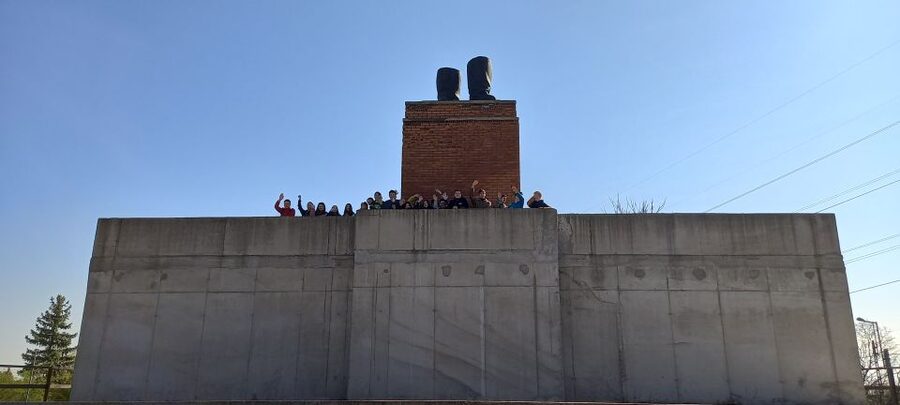
The walk begins at Witness Square, in front of the park. This opening area sets the scene before you enter the statue collection. Your first stop is the outdoor museum unit, including Stalin’s Grandstand, a structure with a story beyond its imposing exterior.
The tour takes you into the grandstand’s hidden rooms, then up to the Waving Balcony. From there, you can look over the surroundings and see a view toward a historic landmark. The balcony is a welcome change of scale after the close attention required by the interior and the monuments. It also gives you a sense of how architecture can frame a public spectacle.
There is no need to rush through this section. The grandstand is one of the visit’s more unusual stops because it lets you consider not only the statues themselves, but also the spaces built around political display. You will hear about the structure and its concealed rooms as part of the guided walk.
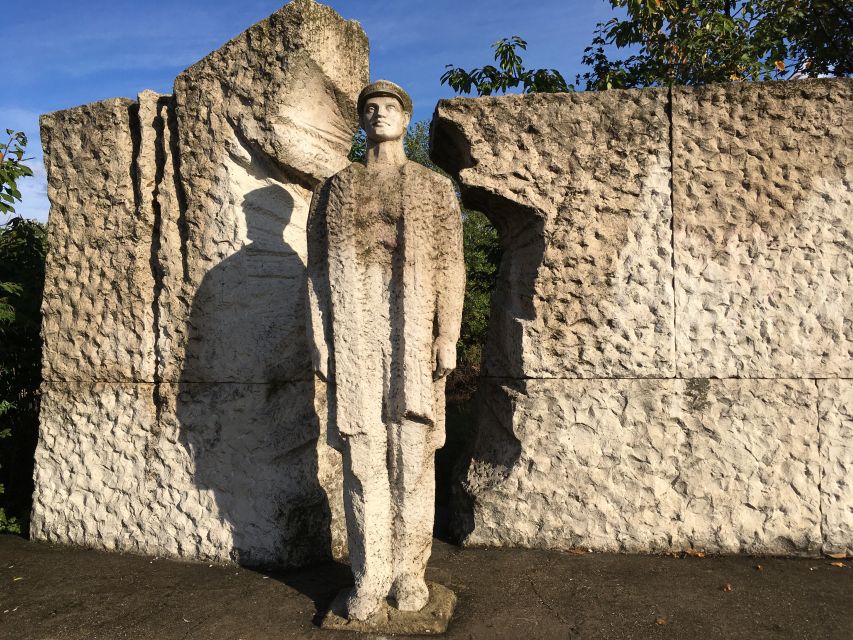
The tour then moves into Statue Park. Here, the guide introduces the monuments as remnants of the communist era. The collection includes depictions of workers, Hungarian and international communist figures, and notable events from the workers’ movement. Rather than treating each sculpture as an isolated artwork, the tour helps you look for the ideas they share and the political use of heroic scale.
The route ends at the End Wall. After that, you have time to take photographs, visit the souvenir shop, or look at the exhibitions and film in The Most Cheerful Barrack. The tour is therefore a starting point, not necessarily the whole visit. If you want to watch the film or spend time with the exhibitions, leave room in your schedule after the guided walk.
What the Trabant and films add
The Trabant photo opportunity brings a lighter moment to a serious subject. You can take a picture in an original retro car, a tangible object that offers a different kind of connection to the period than the towering statues. It is a small stop, but a useful one if you want something more personal than another photograph of bronze figures.
The Most Cheerful Barrack offers a further look at the era through exhibitions and a movie show. One film experience highlighted on the tour is a set of spy recruitment films, whose earnest tone can come across as unintentionally funny today. That humor does not erase the history; it shows how official messages can change in effect over time.
These optional parts are worth considering if you have time and want more than the outdoor walk. The main guided route provides the core context, while the films and exhibits can help round out your visit. The available information does not specify how long the film or exhibitions take, so decide based on your interest and schedule rather than expecting a fixed add-on duration.
The journey from central Budapest
Memento Park sits in the outskirts of Budapest, and getting there is a real part of the day’s planning. Public transport takes about 40 minutes. Transportation is not included in the $28 ticket, so account for the journey separately. A taxi is another option, but it also adds to the cost.
Arrive at the cash desk 15 minutes before the activity starts and show your voucher to the guide. The tour includes admission and is described as skipping the ticket line, but that does not remove the need to reach the meeting point on time. Check the available start times when booking, especially if you are connecting the park visit with other plans.
The paths are covered with gravel. Comfortable shoes are a practical choice, and the park recommends clothing suited to the weather, plus sunscreen and a camera. The tour runs in rain or shine, so a wet forecast is not a reason to assume the visit will be canceled. It is wheelchair accessible, though the gravel promenades are worth considering when planning how comfortable the route will be.
The tour is not suitable for children under 10. For older children, think about how much they enjoy history-heavy visits and outdoor sculpture collections. The guide’s explanations and the Trabant stop can add variety, but the central focus remains political history.
More tickets and passes in Budapest:
- Budapest: Széchenyi Spa Day Ticket with Optional Upgrades
★ 4.3 · 23,911 reviews - Budapest: Parliament Building Entry Ticket and Audio Guide
★ 4.5 · 3,844 reviews - Budapest: Full-Day Gellért Spa Ticket
★ 4.2 · 3,340 reviews - Budapest: Cinema Mystica Entry Ticket
★ 4.3 · 3,103 reviews
How long to set aside
The stated duration is confusing. The walk is described as an interactive tour of about 70 minutes, while another part of the activity details a 95-minute guided tour and a further 35-minute segment mentioning local snacks and food tasting. Food and drinks are also listed as not included.
Because those timings and inclusions do not align neatly, check the confirmed start time and what is planned for your date before you book. For practical planning, allow extra time beyond the guided walk for the journey, photographs, the shop, and any film or exhibition you want to see. Do not assume the food-tasting segment is included in the price.
The duration field also says one day, but that appears alongside a tour described as a short guided walk. Treat the on-site walk and the wider outing as separate things: the walk may take around an hour or a little longer, while transport and optional viewing can make the visit a larger part of your day.
Is $28 good value?
At $28 per person, the ticket includes entry to Memento Park and its premises, plus the English-language guided tour. The price makes most sense if you want interpretation. The statues are visible without a guide, but the explanations of their symbols, architecture and political purpose are what give the collection its meaning.
You will need to budget separately for transportation, food and drinks. The park’s location adds time and, depending on how you travel, extra expense. If you plan to watch the film or visit the exhibitions, those are useful ways to extend the visit, though the provided ticket details do not specify separate charges for them.
The tour has an average rating of 4.5 from 31 reviews, and the strongest praise centers on the guides’ historical context and engaging manner. Ildi is specifically named, with visitors valuing her welcoming approach and clear explanations. One guide was also described as having lived through the Soviet regime, a perspective that can bring personal weight to a discussion of everyday life. Guide assignments may vary, so do not assume you will have a particular person.
The balance is straightforward: the tour is good value for a history-minded visitor who wants a guided reading of the monuments, but less compelling if you only want a quick photo stop. The trip out of central Budapest is part of the cost in time and effort, even though it is not part of the ticket price.
Who should book this tour?
Book it if you are curious about how political propaganda works, want more context for Hungary’s communist period, or enjoy architecture and public monuments. It is particularly suited to visitors who like asking questions and looking closely at how a place communicates its ideas. The stories about daily life under the dictatorship help connect the statues to people beyond the public imagery.
It also suits anyone with room in their Budapest schedule for an outing beyond the center. The park offers a distinct change from the city’s central sights, but the 40-minute public transport journey makes it a poor choice for a rushed gap between nearby attractions.
You might skip the guided tour if you mainly want an unstructured stroll or are not drawn to political history. The statues can still make a memorable visual visit, but much of the value lies in learning how to interpret them. And if you are traveling with a child under 10, this activity is not suitable.
For most history-minded visitors, I would book the guided walk, check the timing and food details first, and leave time afterward for The Most Cheerful Barrack. That combination gives you the central experience without pretending the park is just a quick stop.
FAQ
Where does the tour start?
Meet your guide at the cash desk in Memento Park. Arrive 15 minutes before the activity starts and present your voucher.
How long does the guided tour take?
The walk is described as taking about 70 minutes, but other activity details list a 95-minute guided tour and a further 35-minute segment. Check the confirmed schedule before booking.
Is transportation to Memento Park included?
No. Transportation is not included. Public transport from Budapest takes about 40 minutes.
What does the ticket include?
The ticket includes admission to Memento Park and its premises, as well as the guided tour.
Are food and drinks included?
No. Food and drinks are listed as not included, although the activity details also mention a segment involving local snacks and food tasting. Confirm what applies to your tour.
What language is the tour in?
The live guided tour is in English.
Is the park wheelchair accessible?
The activity is listed as wheelchair accessible. The promenades are covered with gravel, so take that surface into account when planning your visit.
Can children join the tour?
The tour is not suitable for children under 10.
Fresh additions in Budapest
- Best of Budapest Tour★ 5.0 · 7 reviews
- Shooting package 70★ 5.0 · 14 reviews
- Best Historical Sights of Budapest Tour★ 5.0 · 7 reviews
- Be a movie star! Film Tour, Escape room, in Budapest and Etyek★ 5.0 · 3 reviews
- Capital Budapest – Half Day Private Tour (4hr)★ 5.0 · 7 reviews
- BUSÓJÁRÁS Unesco Heritage Folklore Carnival in Mohács★ 5.0 · 4 reviews
- Budapest 4 Hour Tour with a Local: Private & Custom, See the City Unscripted★ 4.0 · 7 reviews
- Analog Photo Trip★ 5.0 · 5 reviews
Budapest Communist History Tours, compared.
Communist History Tour with House of Terror Option
Read our review →
3-Hour Walking Tour About Communism (Small Group)
Read our review →
Browse the lists this tour appears in