
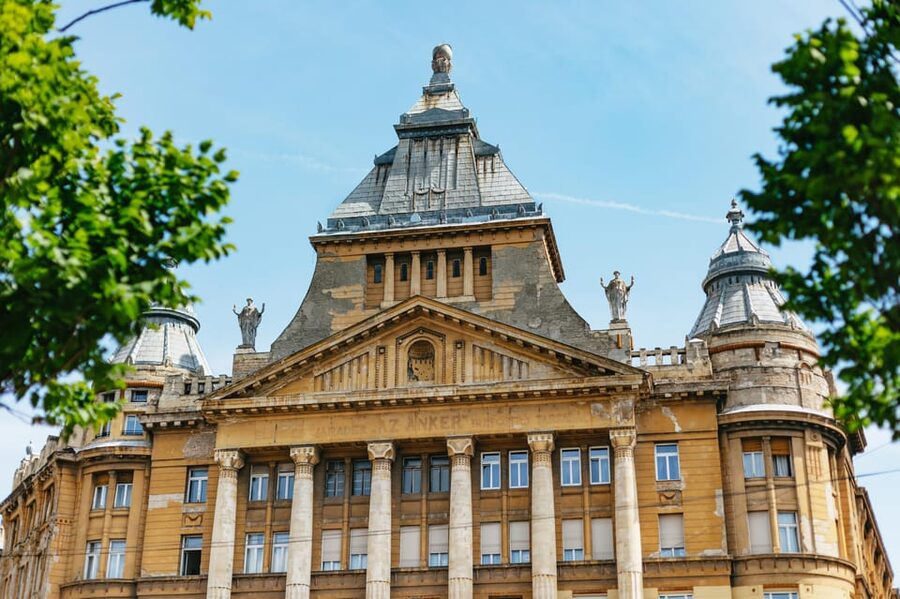
Reviewed · BUDAPEST JEWISH QUARTER TOURS
Budapest: Jewish History Guided Walking Tour with Historian
Budapest’s Jewish Quarter is more than a row of handsome synagogue facades. On this 2.5-hour walk, a historian connects the neighborhood’s religious landmarks and surviving ghetto traces with the lives, losses, and local heroes that shaped it.
I like two things in particular: the tour sets Jewish history within the wider story of Hungary, and the small group, capped at 10, gives you room to ask questions. The stop for Flódni, a traditional Jewish cake, adds a welcome pause between stretches of serious history.
One limitation matters: you see the three synagogues from outside only. If you want to explore their interiors, this tour does not include entry, so plan separate visits and allow extra time.
Key points before you book
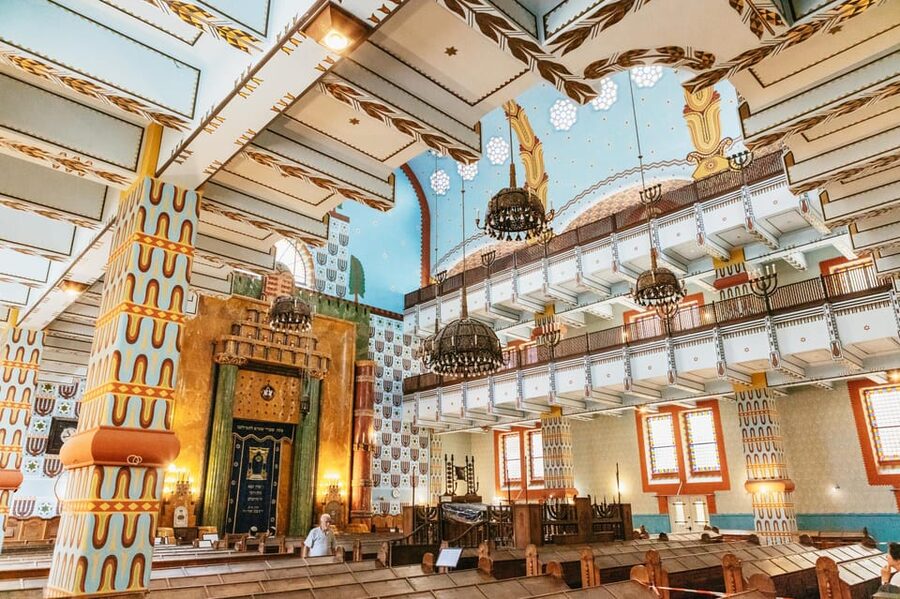
- Three landmark synagogue exteriors: See the Dohány Street, Rumbach Street, and Kazinczy Street synagogues, each associated with a different strand of Jewish life in Budapest.
- A walk through the former ghetto: Streets, memorials, kosher businesses, and a surviving piece of ghetto wall help put the neighborhood’s past in a real place.
- Wartime stories with names and locations: Stop at memorials to Raoul Wallenberg and Carl Lutz, who helped save Jewish lives in 1944 and 1945.
- A local café break: Your fare includes Flódni and coffee or a soft drink, a useful chance to sit and absorb what you have heard.
- A compact, question-friendly group: The maximum group size is 10, and the walk lasts about two and a half hours.
- A useful first look at the district: Alongside history, you get local pointers on street art, Gozsdu Passage, ruin pubs, and nightlife.
Start at Erzsébet Square, then set the scene
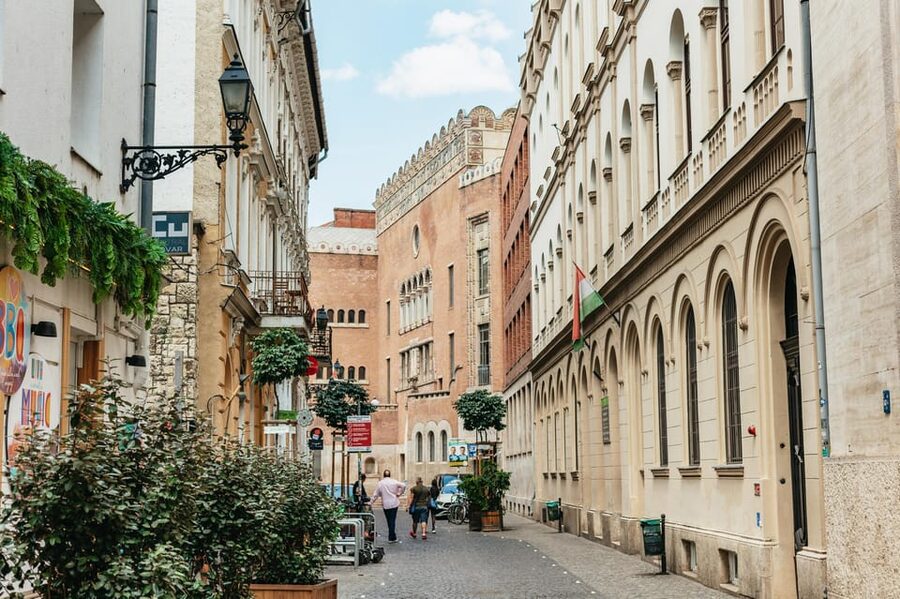
The meeting point is in front of the Kempinski Hotel Corvinus Budapest, facing the Ferris wheel on Erzsébet Square. Deák Ferenc tér is the closest named stop, served by the M1, M2, and M3 metro lines, as well as several buses and trams.
That central starting point is handy if you are already exploring the city center. Arrive with a little breathing room so you can find the guide without a rushed start. The tour runs in all weather, so bring clothing suited to the forecast. Much of the time is spent outdoors, and Budapest’s streets can feel different in wind, rain, or summer heat.
The historian’s role is important here. The walk is not simply a checklist of buildings: the guide links Hungarian history, Jewish life, changing restrictions, and the pressures that shaped migration and conversion. That wider frame is useful if, like many visitors, you know little about Hungary before arriving.
More Jewish heritage tours in Budapest:
- Budapest Jewish Heritage Memorial Walking Tour & Synagogue Entry
★ 5.0 · 568 reviews - Budapest: Jewish Heritage Guided Tour with Synagogue Ticket
★ 4.8 · 533 reviews - Jewish Quarter of Budapest Walking Tour
★ 4.7 · 369 reviews
Three synagogues, three different traditions
The route takes in the exteriors of three major synagogues in the 7th district. The Kazinczy Street Orthodox Synagogue, the Neolog Rumbach Street Synagogue, and the Dohány Street Synagogue show how varied Jewish religious life in Budapest has been.
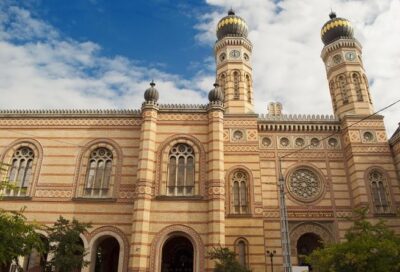
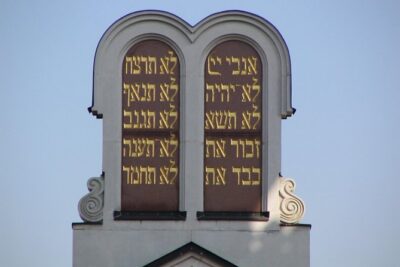
The Dohány Street Synagogue is the most imposing stop. It is described as Europe’s largest synagogue, and even from outside, its scale makes a strong impression. The tour does not include admission, so you should not expect to see its interior or its memorial grounds as part of the walk.
Rumbach Street Synagogue offers a different architectural story. Built in 1872 by Viennese architect Otto Wagner, it is associated with the Neolog community. The tour explains its background from the exterior; opening hours and access are not part of the plan, so treat an interior visit as a separate possibility rather than a guarantee.
Kazinczy Street represents the Orthodox community. Seeing all three exteriors in one walk gives you a quick, meaningful overview of the district’s religious variety, though it cannot replace time inside the buildings. If architecture is your main interest, you may want to add a separate synagogue visit to your schedule.
Streets of the former ghetto
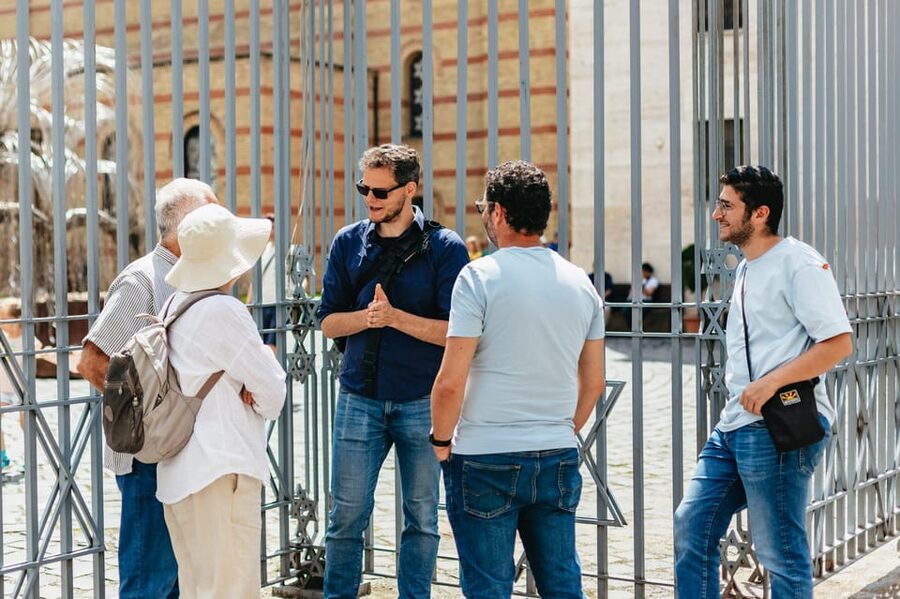
Between the synagogues, you walk through the Jewish Quarter and along streets that once formed part of the Budapest ghetto. The neighborhood contains synagogues, memorials, kosher restaurants, and shops, while daily life carries on around them. That mix makes the history feel close to the present rather than sealed away in a museum.
A piece of the former ghetto wall is one of the walk’s most affecting details. It gives the guide a physical point of reference for talking about confinement and survival. The ghetto existed for less than two months, yet the short span does not soften what happened there; if anything, it underlines how quickly life could be transformed.
Expect to cover more than dates and names. Guides have used maps and visual material to explain Hungary’s changing borders and place Jewish history within the country’s wider political story. That context can help you understand why Jewish communities moved, how restrictions shifted, and what pressures people faced across different periods.
The pace is generally manageable, but this is still a walking tour with several stops. One participant described the route as a lot of walking on a hot day, which is a useful reminder to wear comfortable shoes and carry water when the weather calls for it. The exact pace can vary with the group and the guide.
Wallenberg and Carl Lutz at their memorials
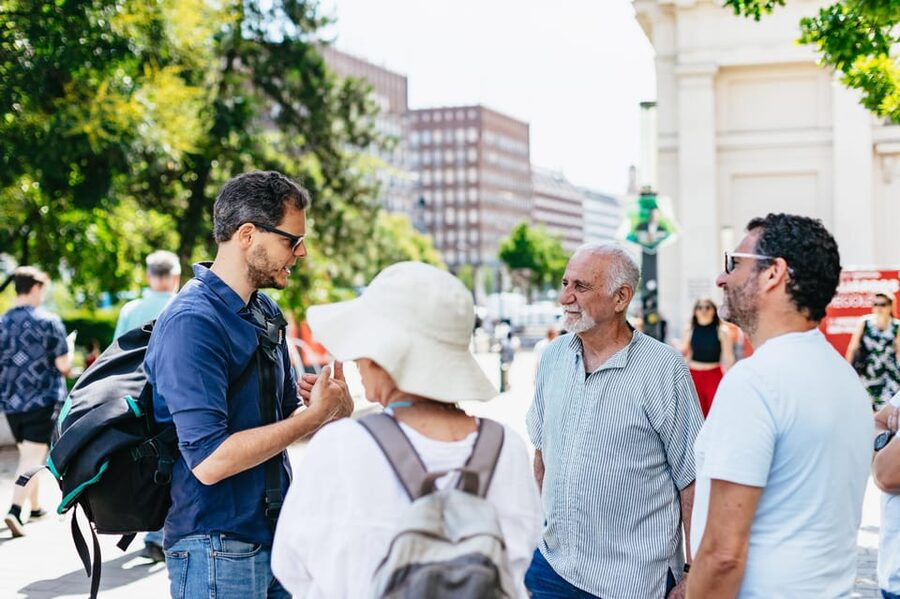
The wartime section focuses on individuals who helped save Jewish lives during the winter of 1944 and 1945. At memorials to Raoul Wallenberg and Carl Lutz, the guide explains how these figures became associated with rescue efforts in Budapest and were later recognized as Righteous Among the Nations.
A memorial stop gives the story a specific address. Rather than hearing about rescue efforts only as a distant chapter, you can connect the people and events to the streets around you. The tour also addresses Hungary’s role in the treatment of Jews, without smoothing over the difficult parts.
This is serious subject matter, and the tone matters. The best fit is someone ready to listen, ask questions, and make room for a painful history. Several guides have been praised for treating the topic with care and for being candid rather than glossing over uncomfortable facts.
More walking tours in Budapest:
- Budapest: Buda Castle Walk with Saint Stephen’s Hall
★ 4.5 · 3,012 reviews - Big Bus Budapest Hop-On Hop-Off Bus and Walking Tour
★ 3.5 · 2,206 reviews - Budapest: Buda Castle District Walking Tour
★ 4.6 · 2,108 reviews - Budapest City Landmarks Walking Tour in 2 Hours
★ 5.0 · 2,048 reviews
Gozsdu Passage, street art, and today’s district
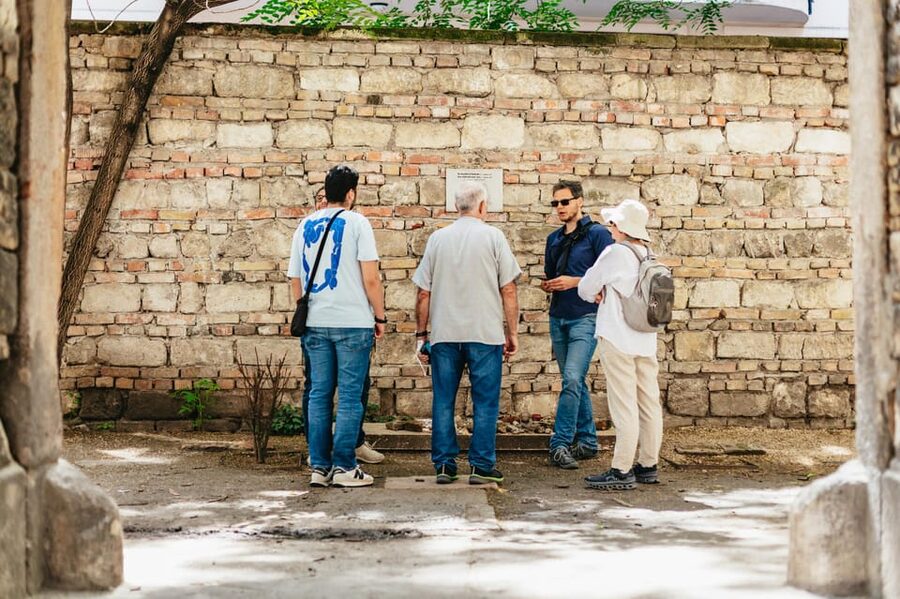
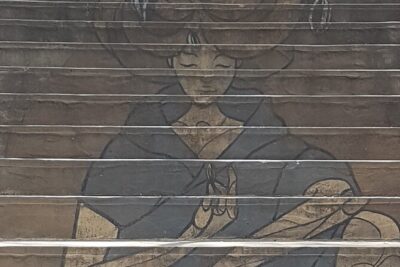
History is not the only layer of the route. The walk passes lively Gozsdu Passage and points out street art and other features of Erzsébetváros, also called Elizabeth Town. You also get local tips about Budapest’s ruin pubs and nightlife.
This present-day material helps explain why the quarter can feel so different from one block to the next. Historic religious sites sit alongside cafés, shops, and evening venues. The contrast is worth noticing, though if you want a long, relaxed look at the street art or nightlife, this short walking tour is only an introduction.
The guide’s local pointers may also help you plan the rest of your stay. A good question to bring along is where to return after the tour, whether for a meal, a synagogue visit, or a closer look at the district’s bars. Guides have answered questions about Budapest beyond the Jewish Quarter, so the walk can also help you get your bearings.
A Flódni break in a local café
The included café stop lasts about 15 minutes and pairs Flódni with coffee or a soft drink. It is a small but thoughtful part of the outing: after a stretch of history and walking, you can sit down, have something local, and let the information settle.
Flódni is a Jewish cake associated with the region. The break is not a full meal, and you should not count on it to replace lunch. Think of it as a tasting and a pause, not a food tour. If you have dietary needs, the information provided does not specify ingredient substitutions, so ask the provider before booking if that affects your plans.
What the $63 price gets you
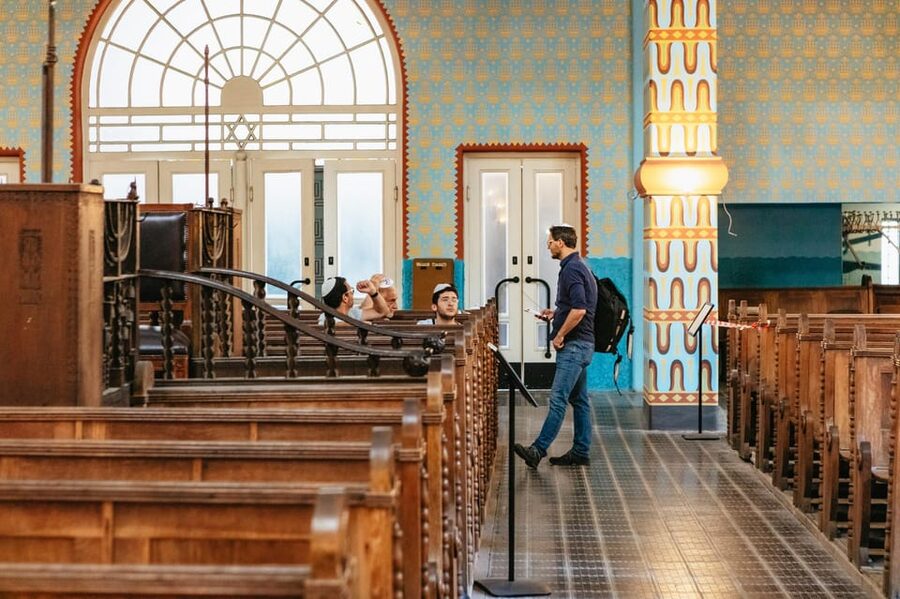
At $63 per person, the price covers a historian guide, the walking tour, and the cake and drink at the café. The strongest value is the guide’s interpretation: historical buildings and memorials become much easier to understand when someone explains the communities, decisions, and events connected to them.
A group capped at 10 is another plus. It is small enough to make questions practical, and participants have described being able to hear the guide and follow the explanations without the feel of a large walking group. Guide names have included Noémi, András, Gábor, Maggie, and Daniel, among others, but the guide assigned to your date is not guaranteed.
The main cost to factor in is separate synagogue admission, if you want to go inside any of the buildings. No entry to the synagogues is included. The tour still offers a substantial introduction from the streets, but people who want interior architecture or a longer visit should plan additional time and spending.
Who will get the most from this walk
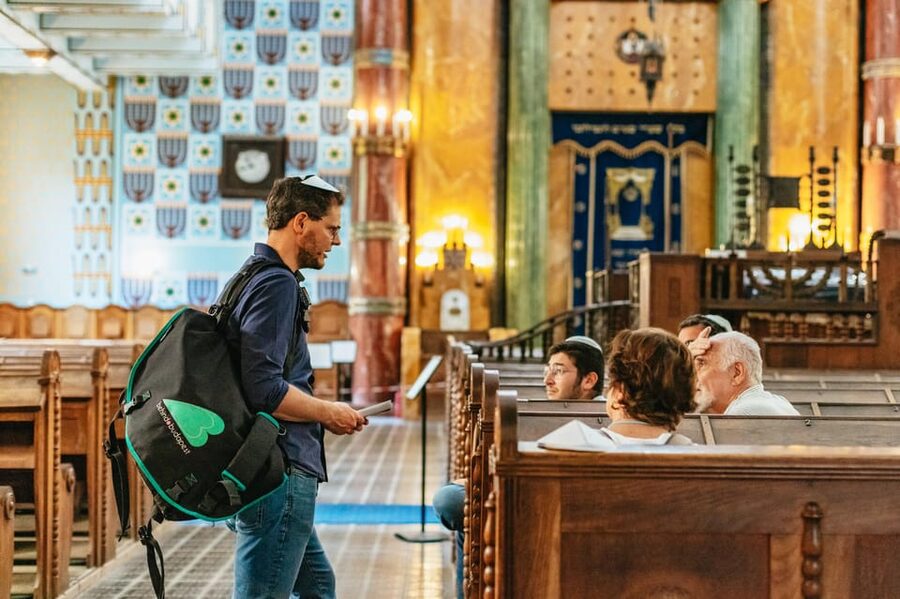
This is a strong choice if you want a clear introduction to Jewish Budapest without spending half a day in a museum. It suits history-minded visitors, people who want to understand the neighborhood beyond its restaurants and nightlife, and anyone who values a guide who can connect local sites to broader Hungarian history.
It is also a useful first-day activity. You can learn the layout of the quarter, hear about places to return to, and get a sense of the district’s current life. The small group and English-language commentary make it easier to follow the story and ask questions.
You may want a different plan if your main aim is to enter the synagogues, spend a long time on architecture, or move at your own pace. The tour is structured around walking and outside stops, and it covers a lot of ground in a short window. For a fuller visit, pair it with independent synagogue visits or another museum stop.
Should you book the Budapest Jewish history tour?
Book it if you want context, not just photographs of impressive facades. The combination of three synagogue exteriors, the former ghetto streets, memorials to rescuers, and a café stop makes a thoughtful introduction to the Jewish Quarter.
Skip it if you need synagogue entry included or prefer to explore without a guide. For most history-curious visitors, though, the small group, historian-led storytelling, and focused route make the $63 price reasonable for a half-day introduction. Wear comfortable shoes, dress for the weather, and come ready to ask questions.
FAQ
How long is the walking tour?
The activity lasts 2.5 hours. The Jewish Quarter walk is about 2 hours and 15 minutes, followed by a 15-minute café stop.
What language is the tour in?
The live tour guide speaks English.
How large is the group?
The group is limited to 10 participants.
Where does the tour start?
Meet in front of the Kempinski Hotel Corvinus Budapest, facing the Ferris wheel on Erzsébet Square.
Which public transport stops are near the meeting point?
The meeting point is near Deák Ferenc tér. You can get there on the M1, M2, or M3 metro lines, as well as several buses and trams.
Do you go inside the synagogues?
No. The visits to the Dohány Street, Rumbach Street, and Kazinczy Street synagogues are from the outside only. Entry is not included.
Is food included?
Yes. The tour includes Flódni, a local Jewish cake, and coffee or a soft drink at a local café.
Does the tour run in bad weather?
Yes. The tour starts in all weather conditions, so dress for the forecast.
Which people connected to wartime rescue are discussed?
The tour visits memorials to Raoul Wallenberg and Carl Lutz, and discusses their efforts to save Jewish lives during the winter of 1944 and 1945.
Can I cancel without a fee?
You can cancel up to 24 hours in advance for a full refund. The activity also offers a reserve-now, pay-later option.
Fresh additions in Budapest
- Best of Budapest Tour★ 5.0 · 7 reviews
- Be a movie star! Film Tour, Escape room, in Budapest and Etyek★ 5.0 · 3 reviews
- Shooting package 70★ 5.0 · 14 reviews
- Best Historical Sights of Budapest Tour★ 5.0 · 7 reviews
- Budapest 4 Hour Tour with a Local: Private & Custom, See the City Unscripted★ 4.0 · 7 reviews
- Capital Budapest – Half Day Private Tour (4hr)★ 5.0 · 7 reviews
- BUSÓJÁRÁS Unesco Heritage Folklore Carnival in Mohács★ 5.0 · 4 reviews
- Analog Photo Trip★ 5.0 · 5 reviews
Budapest Jewish Quarter Tours, compared.
Budapest Jewish Heritage Memorial Walking Tour & Synagogue Entry
Read our review →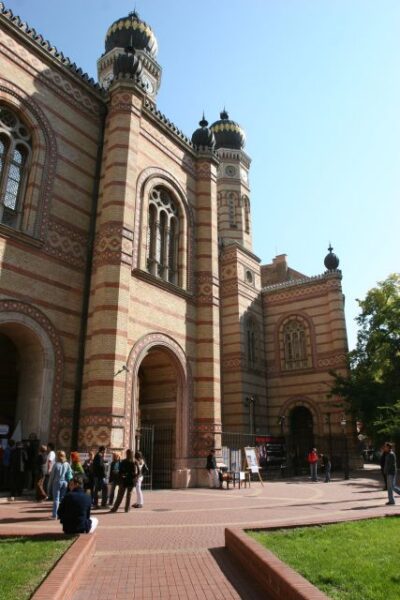
Jewish Heritage Guided Tour with Synagogue Ticket
Read our review →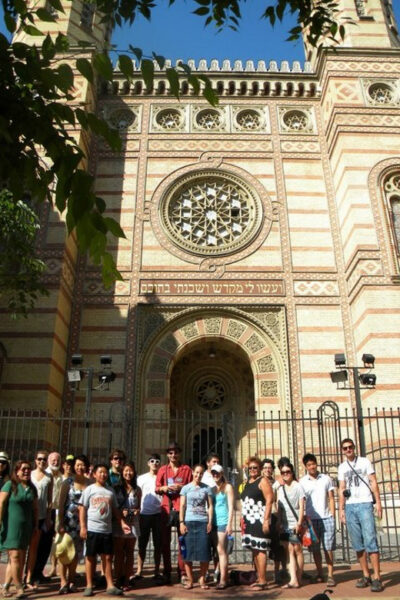
Past and Present of Budapest Jewish District Tour
Read our review →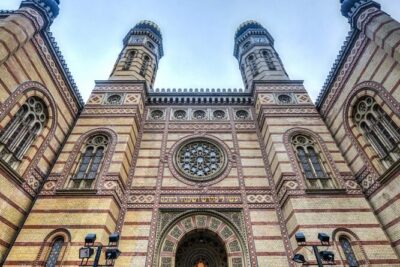
Budapest Dohany Synagogue & Hungarian Jewish Museum & free extras
Read our review →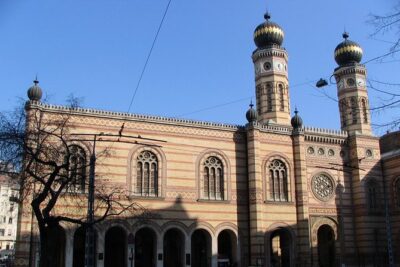
Budapest Dohany, Heroes’, Rumbach synagogues & Jewish Ghetto Tour
Read our review →Browse the lists this tour appears in